
Reviewed · WORKSHOPS
Chocolate Master Class & Taino concept Store
Chocolate classes rarely feel this hands-on. At the Chocolate Master Class & Taino concept Store in La Altagracia, you work with premium cocoa and learn real tempering and molding techniques in a lab setting.
The main thing to plan around is timing: the duration is listed as 2 to 90 minutes, so pick your start time and don’t stack your next stop too tightly. The small group size (limited to 10) and multilingual guidance (English, Spanish, French) make it easier to ask questions and get help while you’re working.
In This Review
- Key highlights to look for
- Chocolate Master Class & Taino concept Store: what makes it feel different
- Getting to the experience: free transport plus a welcome drink
- Meet the guides: the tone matters when you’re working with chocolate
- Inside the chocolate laboratory: what you actually get to do
- From cocoa to chocolate: the bean-to-bar lesson you can use
- Tempering, molding, and flavor infusions: the techniques behind good chocolate
- Tastings that help you choose, not just sample
- Making your own chocolate bars (and decorating them)
- The shop time: a brief, useful stop while chocolate cools
- Price and value: is $57 fair?
- Accessibility and comfort: wheelchair accessible and low-stress pacing
- Who this master class fits best (and who should skip it)
- Quick decision guide: should you book?
- FAQ
- Where is the Chocolate Master Class & Taino concept Store located?
- How much does the master class cost?
- How long is the experience?
- What’s included in the price?
- Is pickup available, and how do I find the right bus?
- Is the group small?
- What languages are offered during the class?
- Is the activity wheelchair accessible?
- What will we do during the class?
- Can I pay later or cancel for a refund?
Key highlights to look for
- Small group limit of 10 keeps the class interactive instead of crowded
- English, Spanish, and French instruction means you can participate comfortably
- State-of-the-art chocolate laboratory where you practice tempering, molding, and flavor infusions
- Tastings built into the experience so you can compare flavors before buying
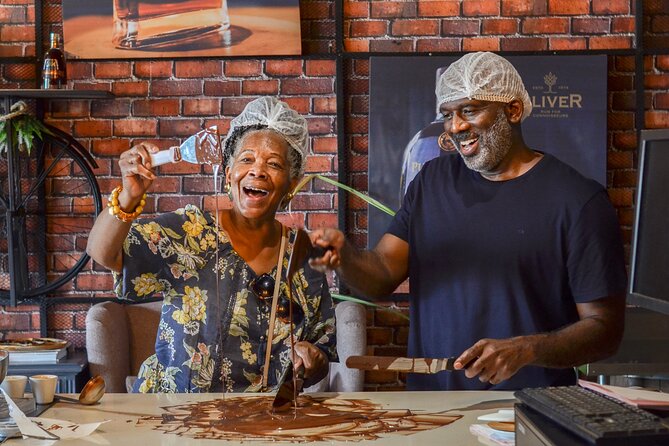
- Create and decorate chocolate including your own bars, with toppings and guided steps
- Free round-trip transport from Bávaro/Punta Cana area with a welcome drink included
A few more Punta Cana trips worth putting side by side with this one:
- 101 Oliver Rum Tasting & Pairing And Taino Concept Store★ 5.0 · 244 reviews
- Punta Cana Oliver & Oliver Rum Tasting & Taino Concept Store★ 4.6 · 146 reviews
- Shopping Tour In Don Lucas Cigar Factory, Rum tasting, Cocoa factory, Souvenirs★ 4.0 · 51 reviews
Chocolate Master Class & Taino concept Store: what makes it feel different
This isn’t a sit-and-watch demo. The Chocolate Master Class & Taino concept Store is built around hands-on work in a chocolate laboratory, plus guided tastings and a short window to shop once your chocolate cools. That mix matters in the real world: you leave understanding what you made, not just eating it.
I like that the teaching is practical. You’re guided through the how and the why behind key steps like tempering and molding, and you get to practice the techniques instead of only hearing about them. I also like the flavor component. The class isn’t just one chocolate taste; you get ideas for global flavors you can infuse into what you make.
One consideration: the duration is listed as a wide range (2 to 90 minutes). That likely means sessions vary by start time, group flow, and what’s scheduled that day. If you’re the type who wants a long, slow, detailed experience, you’ll want to choose your session carefully.
Getting to the experience: free transport plus a welcome drink
For many people staying in Punta Cana/Bávaro, getting there is half the hassle. This experience helps by including free round-trip transportation within the Bávaro Punta Cana area. Pickup is described as being on buses marked with the sign of MARESISCA (so look for that when you arrive at the pickup point).
The included welcome drink is a small touch, but it sets a calmer tone right away. You’re not arriving dry-mouthed and rushed; you’ve got something in hand while the group is gathered and the class starts.
If you’re trying to time your day, remember this: transportation is included, but the session length can vary. I’d plan it as a “main block” activity, not something to fit between two tight tours.
Meet the guides: the tone matters when you’re working with chocolate
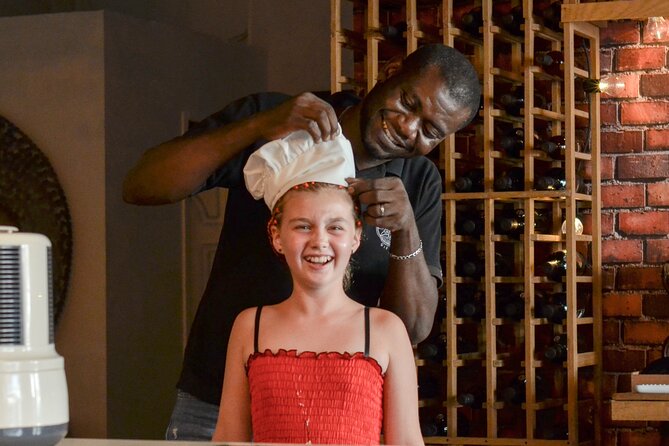
In a master class, the guide’s personality affects everything. This one is staffed by instructors who speak English, Spanish, and French, and the teaching style seems built for patience and clarity.
The names that come up are Rudi and Santiago. That’s a good sign. When an instructor can explain steps in a way that still feels fun, it reduces the stress of doing something technical like tempering. It also helps if your group includes different confidence levels, from first-timers to people who already like making sweets.
A practical advantage: the class is designed for all skill levels, with personalized guidance. If you’re worried you’ll slow everyone down, that’s less likely here, because the format is meant to keep you moving and supported.
A few more Punta Cana trips worth putting side by side with this one:





Inside the chocolate laboratory: what you actually get to do
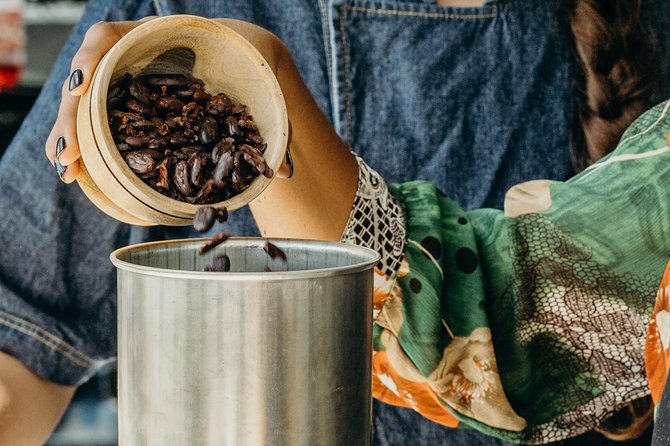
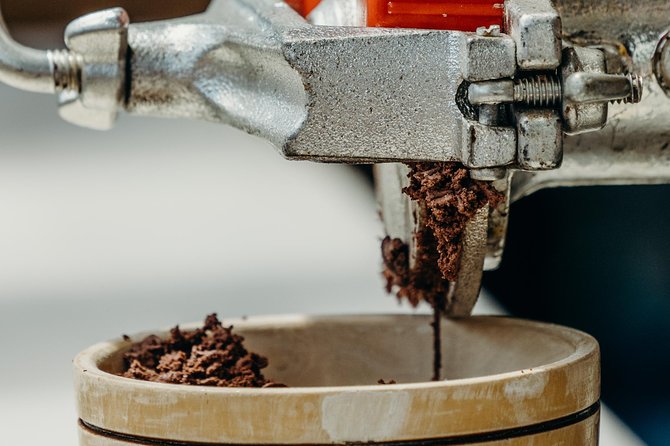
The class takes place in a state-of-the-art chocolate laboratory, which matters because chocolate work isn’t forgiving. Tempering needs the right approach, and molding requires attention.
Here’s what the experience sets you up to do:
- Learn the chocolate-making process from bean to bar
- Practice key methods like tempering and molding
- Add flavor infusions (so you’re building a flavor profile, not just melting and pouring)
Because it’s lab-based, you’re less likely to feel like you’re in a themed gift shop. You’ll be working in an environment built for food handling and technique.
Also, safety is addressed. The experience notes rigorous safety measures, which is comforting if you’re traveling with kids, older relatives, or anyone who doesn’t want a chaotic kitchen setup.
From cocoa to chocolate: the bean-to-bar lesson you can use
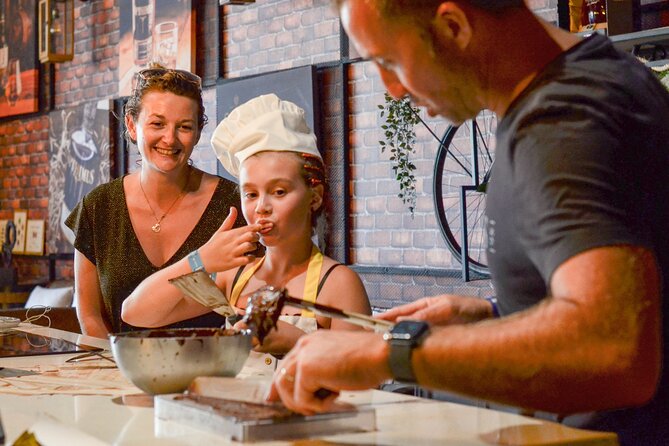
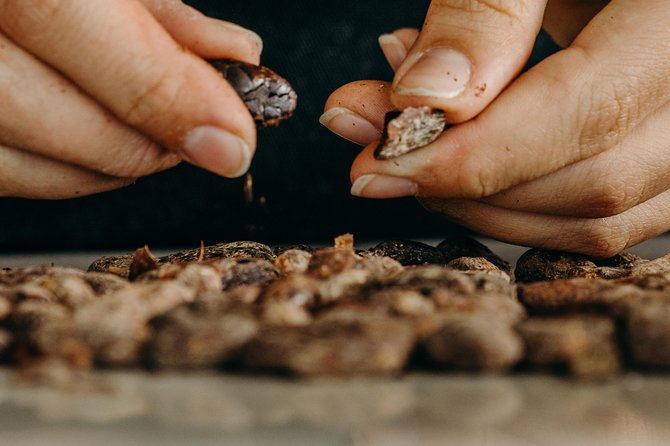
One of the best parts of this kind of class is that you start to understand what you taste. Instead of “dark vs milk,” you learn what changes along the way.
The master class frames chocolate as craftsmanship. You’ll hear how the fine cocoa becomes something you can shape, temper, and flavor—so when you later buy chocolate in the store, you can pick with more confidence. You get exposed to the idea that cacao origin and handling influence flavor, aroma, and texture.
And the learning isn’t stuck in theory. It connects directly to your hands-on steps. That’s why the guidance matters: it helps you connect cause and effect. If your chocolate doesn’t set the way you expected, you’re getting help to understand what likely happened and what to do next time.
Tempering, molding, and flavor infusions: the techniques behind good chocolate
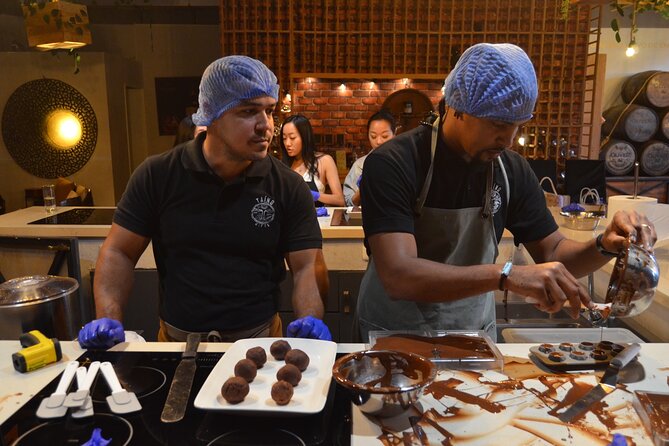
Tempering is the step people usually skip when they’re making chocolate at home. Here, it’s central. You practice the process in the lab and learn why it matters for the final snap and finish.
Molding is another skill where technique shows up fast. If you’re curious why one chocolate bar looks glossy and another looks dull, molding and tempering are part of the answer. The class structure includes these elements so you’re not guessing.
Then comes the fun part: flavor infusions. You’ll explore how different flavors can be added so your creations aren’t all the same taste. You also learn about global flavor ideas, which is great if you love experimenting in your own kitchen later.
If you like interactive classes where you’re not just tasting, this is the core reason to book.
Tastings that help you choose, not just sample
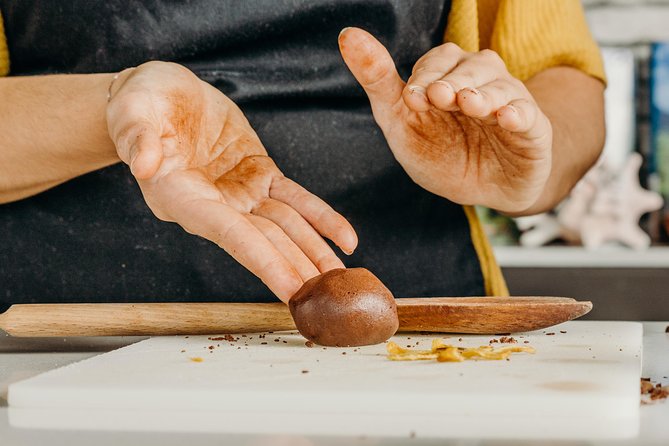
Tastings are included and they’re not treated like a quick walk-by. The experience is built around sampling so you can learn the differences between flavors and cocoa quality.
There’s also a practical payoff. Sampling helps you figure out what you’ll want to buy at the end. The class includes tips for choosing chocolates, and there’s a limited time window to shop once your chocolate cools.
One thing I appreciate about this style: it’s not overly pushy. You can sample, decide, and then make a purchase if you want. If your budget is tight, you can still leave satisfied with your homemade chocolate and skip extras.
Making your own chocolate bars (and decorating them)
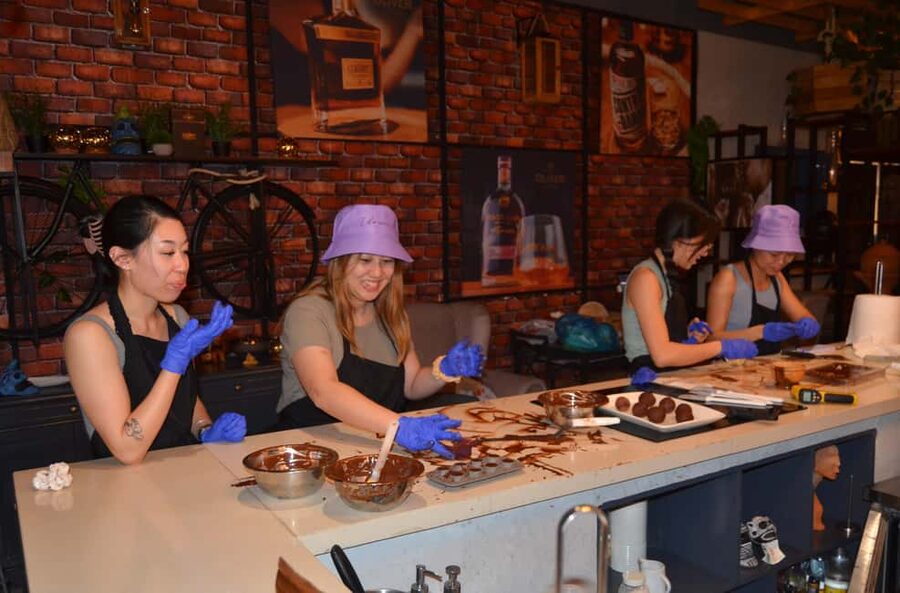
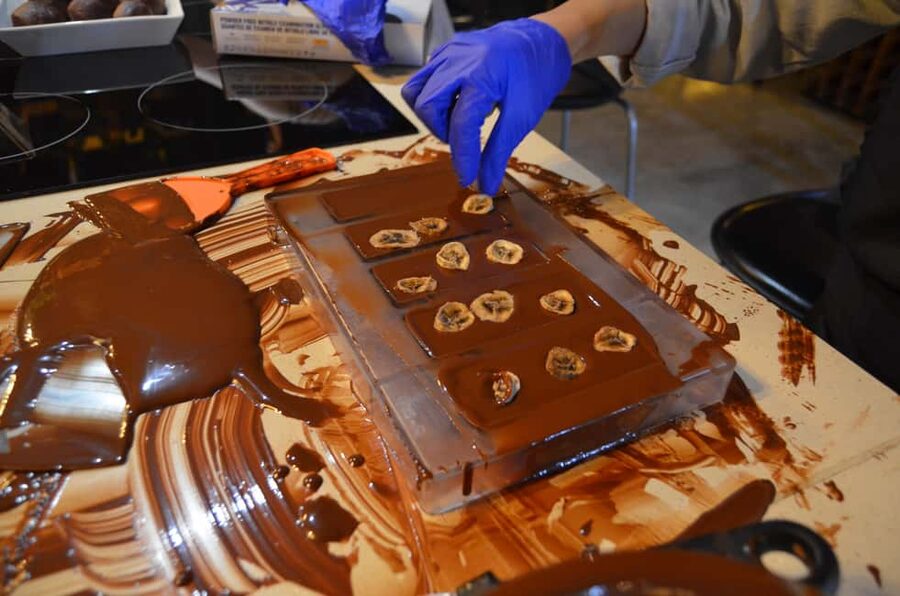
You’re not leaving empty-handed. The master class is built around creating your own chocolate pieces, including chocolate bars. Participants also make and decorate their creations, with support on how to do the steps correctly.
Toppings are part of the fun. The class format includes different topping options so your bars aren’t identical. If you enjoy the visual side of food—color, texture, and presentation—this is the segment where you’ll see your work turn into something Instagram-worthy without being overly staged.
In some sessions, people also work with shapes beyond bars, including chocolate balls. The class description focuses on molding, so you should expect you’ll create more than one type or variation depending on the session setup.
The biggest value here isn’t just the final product. It’s learning how your choices (temper, timing, toppings, flavor infusions) affect the end result.
The shop time: a brief, useful stop while chocolate cools
There’s a concept store element, and it fits the experience. Once your chocolate cools, you get a short shopping window to explore and buy additional items if you want them.
One clear tip from the way this session runs: don’t treat shopping like a separate errand. It’s part of the flow, and it’s timed so your homemade chocolate can set properly. If you love souvenirs but hate being rushed, this structure is a good balance.
Also, since you’re tasting during the class, you’ll shop with your palate awake. That’s way better than wandering into a chocolate store cold.
Price and value: is $57 fair?
At $57 per person, this isn’t the cheapest thing you can do in Punta Cana. But it can be good value because you’re getting several things in one:
- Guided hands-on work in a chocolate lab
- Tastings
- A welcome drink
- Free round-trip transportation within the Bávaro/Punta Cana area
- Taxes included
Small-group size helps too. With a maximum of 10 participants, you’re more likely to get direct attention while working with tempering and molding. For many people, that’s what separates a “tour” from a real class.
What’s not guaranteed: a single experience length. Since duration can vary (2 to 90 minutes), your value depends on which session you choose and how much time is allocated in that specific slot. If you want the fullest version of the class format, pay attention to the start time options and ask when planning if you’re trying to match it to your schedule.
Accessibility and comfort: wheelchair accessible and low-stress pacing
The experience lists wheelchair accessibility, which is a big deal for families. It also suggests the facility and activity are set up for participants who need more access than a typical cooking demo.
In practice, the tone matters. The class is described as safe and not rushed, and the small group limit supports that. If you’re traveling with someone who gets overwhelmed by fast-moving tours, this kind of lab-based, technique-led class can feel more manageable.
One consideration: wear clothes you’re comfortable in around food work. You might be handling items and standing where kitchen activity happens, even if the environment is controlled.
Who this master class fits best (and who should skip it)
This is a strong match if you want:
- A hands-on food experience instead of a bus-and-photo day
- A chocolate class where you learn techniques like tempering and molding
- A small group activity in La Altagracia with multilingual instruction
- Something social enough for couples and groups, but calm enough for older travelers too
It might not be ideal if you’re hunting for a long excursion packed with multiple stops and dramatic scenery. This is a workshop-centered experience. The payoff is in what you make, taste, and take home.
Quick decision guide: should you book?
Book it if you care about learning skills you’ll remember, and you like the idea of bringing home chocolate that’s tied to a real process. The lab setting, tastings, small group size, and free transportation add up to a practical, low-stress day.
Skip or choose carefully if you hate time uncertainty. The duration range (2 to 90 minutes) means your session could feel short. If your schedule is tight, pick a start time that gives you breathing room afterward.
If you’re traveling through the Bávaro/Punta Cana area and want one “quality” food experience, this one is a smart call.
FAQ
Where is the Chocolate Master Class & Taino concept Store located?
It’s in La Altagracia, Dominican Republic, with pickup offered for the Bávaro Punta Cana area.
How much does the master class cost?
The price is $57 per person.
How long is the experience?
The duration is listed as 2 to 90 minutes. Start times depend on availability.
What’s included in the price?
Included: free round-trip transportation (Bávaro/Punta Cana area), taxes, and a welcome drink.
Is pickup available, and how do I find the right bus?
Pickup is optional. You’ll be picked up on buses with the sign of MARESISCA.
Is the group small?
Yes. It’s limited to 10 participants.
What languages are offered during the class?
The instructor team offers English, Spanish, and French.
Is the activity wheelchair accessible?
Yes, it’s listed as wheelchair accessible.
What will we do during the class?
You’ll have a hands-on chocolate experience in a laboratory, with activities that include tempering, molding, and flavor infusions, plus tastings.
Can I pay later or cancel for a refund?
Yes. You can reserve now & pay later, and you can cancel up to 24 hours in advance for a full refund.
More Dessert Tours in Punta Cana
- 4×4 Dominican Adventure with Chocolate and Coffee Tasting
★ 5.0 · 2,920 reviews - 4×4 ATV Experience, Water Cave, Chocolate and Coffee Tasting
★ 5.0 · 1,430 reviews - Buggy Adventure Tour with Chocolate and Coffee in Punta Cana
★ 5.0 · 953 reviews - Buggy Ride Into the jungle with cave coffee & chocolate tasting
★ 5.0 · 465 reviews - ATV OR BUGGY Ride Into the jungle with cave coffee & chocolate
★ 5.0 · 73 reviews - Punta cana Boogie into the Jungle with Coffee and Chocolate Taste
★ 4.5 · 64 reviews
More Shopping Tours in Punta Cana
- 101 Oliver Rum Tasting & Pairing And Taino Concept Store
★ 5.0 · 244 reviews - Punta Cana Oliver & Oliver Rum Tasting & Taino Concept Store
★ 4.6 · 146 reviews - Punta Cana: Shopping Tour with Hotel Pickup and Drop-Off
★ 3.7 · 54 reviews - Shopping Tour In Don Lucas Cigar Factory, Rum tasting, Cocoa factory, Souvenirs
★ 4.0 · 51 reviews - Shopping tour Punta Cana rum cigars coffee larimar chocolate souvenirs mamajuan
★ 4.0 · 44 reviews - Chocolate Master Class & Taino Concept Store
★ 5.0 · 43 reviews
More Tour Reviews in Punta Cana
- Private Airport Punta Cana to La Romana Bayahibe or Casa de Campo Resort Area
★ 5.0 · 6,662 reviews - Punta Cana Zipline Adventure with Buggies and Horseback Riding
★ 5.0 · 5,001 reviews - Full-Day Santo Domingo City Tour from Punta Cana
★ 4.5 · 4,500 reviews - Punta Cana: Catamaran Boat to Saona Island with Buffet Lunch
★ 4.4 · 3,822 reviews - Punta Cana Dune Buggy Adventure and Amazing Water Cave
★ 4.5 · 3,411 reviews - Half-Day Adventure 4×4 ATV, Water Cave and Dominican Culture
★ 4.5 · 3,394 reviews
Fresh off the boat: the newest Punta Cana reviews






Workshops, compared.
 ★ 4.5Group Surf Lessons Punta Cana – Fun, Easy & Beginner-FriendlyFrom $115121 reviews
 ★ 5.0Chocolate Master Class & Taino Concept StoreFrom $5743 reviews
 ★ 5.0Kiteboarding Lessons in Punta CanaFrom $21532 reviews
 ★ 4.0Saona Island VIP 4 first-class beach and sunsetFrom $12530 reviews
 ★ 4.6One-on-One Surf Lesson on Macao BeachFrom $11526 reviews
 ★ 5.0Full-Day Surf Camp in Punta Cana –Lessons, Beach Time & AdventureFrom $20012 reviews
 ★ 4.7‘Chillo al Coco’ Cooking Class & Taino Concept storeFrom $9810 reviews
 ★ 5.0Dance Bachata/salsa like a PRO with private classFrom $457 reviews
Browse the lists this tour appears in