
Reviewed · WORKSHOPS
‘Chillo al Coco’ Cooking Class & Taino Concept store
Golden hour happens at the stove. This Chillo al Coco class pairs Taino cooking techniques with a hands-on meal built around red snapper and coconut sauce. I especially liked learning the step-by-step method, from cleaning and seasoning the fish to making coconut milk for that smooth, creamy base.
Two more things I like: the small group setup (max 10) that makes it easier to ask questions, and the friendly, capable instructors people mention by name, including Randy, Ruth, and Roody. One thing to factor in: schedules can wobble, including cases where power issues cut the class short or the day runs longer than expected.
In This Review
- Key things to know before you go
- Chillo al Coco Cooking Class: What You Actually Make
- Taino Techniques and Fresh Ingredients (Why This Class Tastes Different)
- From Fish Prep to Coconut Milk: The Hands-On Flow
- The Aromatic Sauce Part: Peppers, Onion, Garlic, and Heat
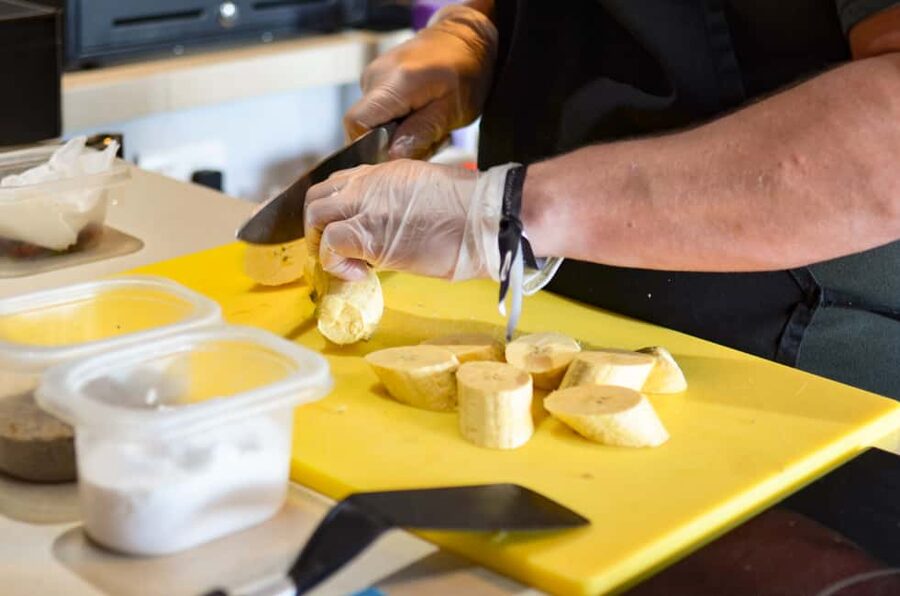
- Cassava, Plantain, and Rice: The Plate Gets Balanced
- Taino Concept Store: A Cultural Touch, Not Just a Kitchen Stop
- Punta Cana Pickup and Small-Group Reality
- Price and Value: Why $98 Can Make Sense
- Guides and Atmosphere: Randy, Ruth, and Roody Stand Out
- When the Day Changes: Power Outages and Schedule Swings
- What to Wear and Bring (So You’re Comfortable)
- Who Should Book This Cooking Class—and Who Might Skip
- Should You Book Chillo al Coco in Punta Cana?
- FAQ
- FAQ
- What dish will I learn to make?
- How long is the cooking class?
- Is hotel pickup included?
- What languages are the instructors?
- How many people are in the group?
- Are drinks included?
- What if plans change?
Key things to know before you go
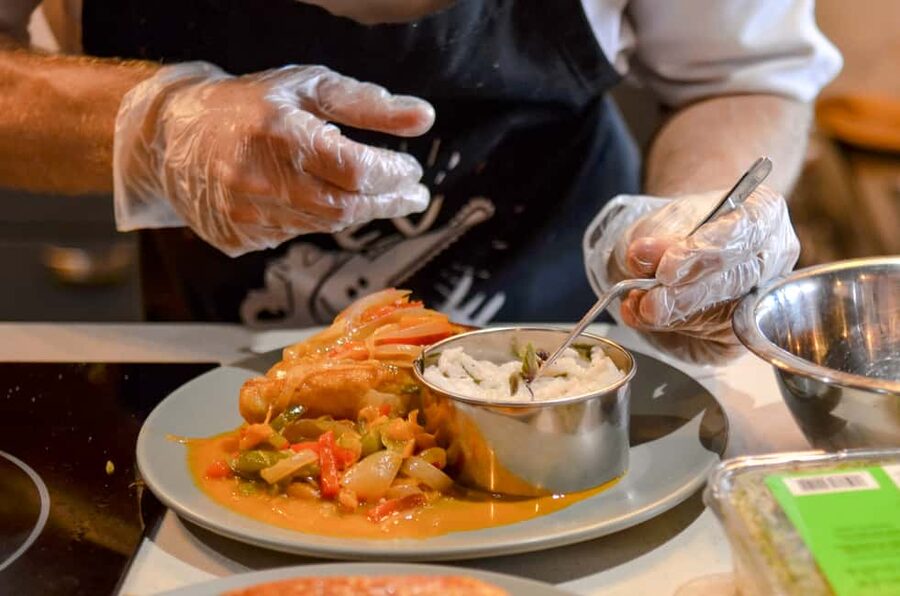
- Chillo al coco is the star: red snapper cooked in a coconut sauce with peppers, onions, and garlic
- You build coconut milk from fresh coconut so the sauce is made from scratch, not a shortcut
- Cassava, plantain, and rice round it out into a complete plate, not just a one-dish demo
- Small group (10 max) helps you learn at a real pace and get attention if you’re new to cooking
- English/French instruction makes it easier to follow even if your Spanish is basic
- Pickup is included for Bavaro/Punta Cana with tight waiting windows (drivers don’t wait long)
A few more Punta Cana trips worth putting side by side with this one:
- 101 Oliver Rum Tasting & Pairing And Taino Concept Store★ 5.0 · 244 reviews
- Punta Cana Oliver & Oliver Rum Tasting & Taino Concept Store★ 4.6 · 146 reviews
- Shopping Tour In Don Lucas Cigar Factory, Rum tasting, Cocoa factory, Souvenirs★ 4.0 · 51 reviews
Chillo al Coco Cooking Class: What You Actually Make
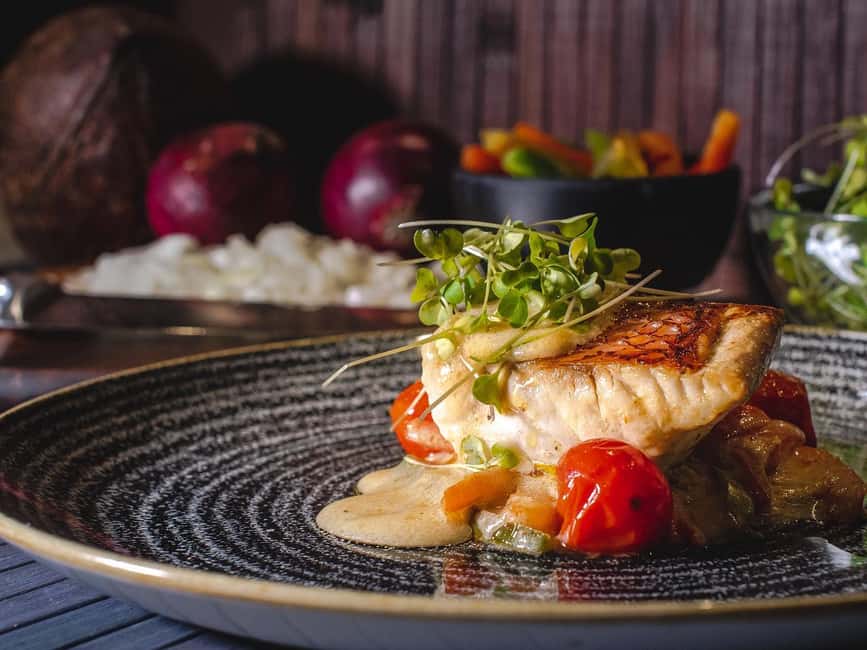
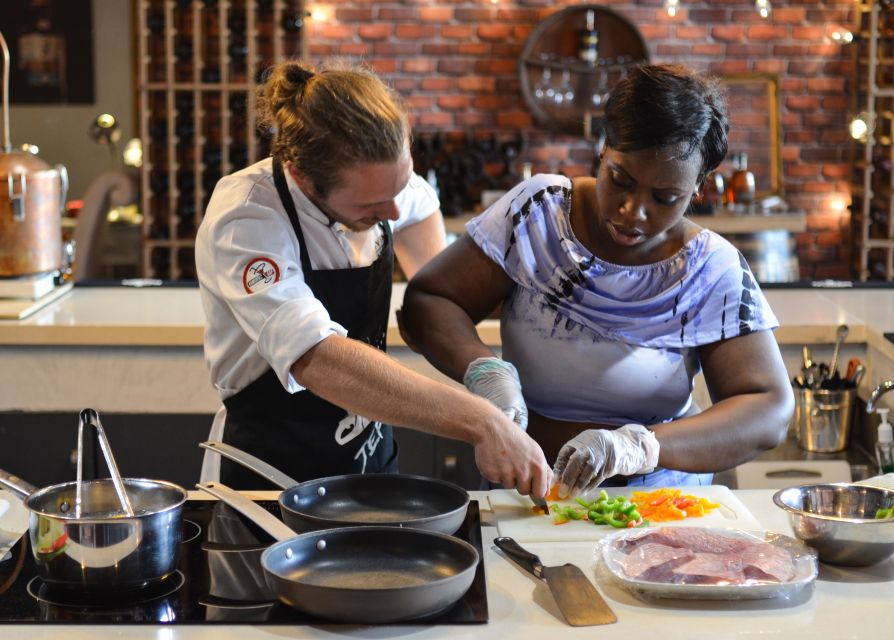
This class centers on one dish: chillo al coco. You’ll cook red snapper paired with a creamy coconut sauce, then serve it with classic sides—cassava, plantain, and rice—so you leave with a full Dominican-style meal, not just a taste.
If you’re the type who likes food you can reproduce at home, this is a good fit. You’re not memorizing a story; you’re learning a method. And the method here matters, because coconut sauce has a texture that depends on how coconut milk is extracted and how long the fish simmers.
Taino Techniques and Fresh Ingredients (Why This Class Tastes Different)
The heart of the experience is the way you cook. You’ll use fresh local ingredients and learn Taino-inspired techniques for handling and seasoning food. The lesson focuses on practical cooking actions: clean and prep the fish, season it with herbs and spices, and build the sauce using aromatics you can smell right away.
You also get a useful reminder that “traditional” doesn’t mean vague. It means the steps are specific. Here, that includes getting the coconut milk right by using freshly grated coconut and extracting the milk to create the creamy base.
From Fish Prep to Coconut Milk: The Hands-On Flow
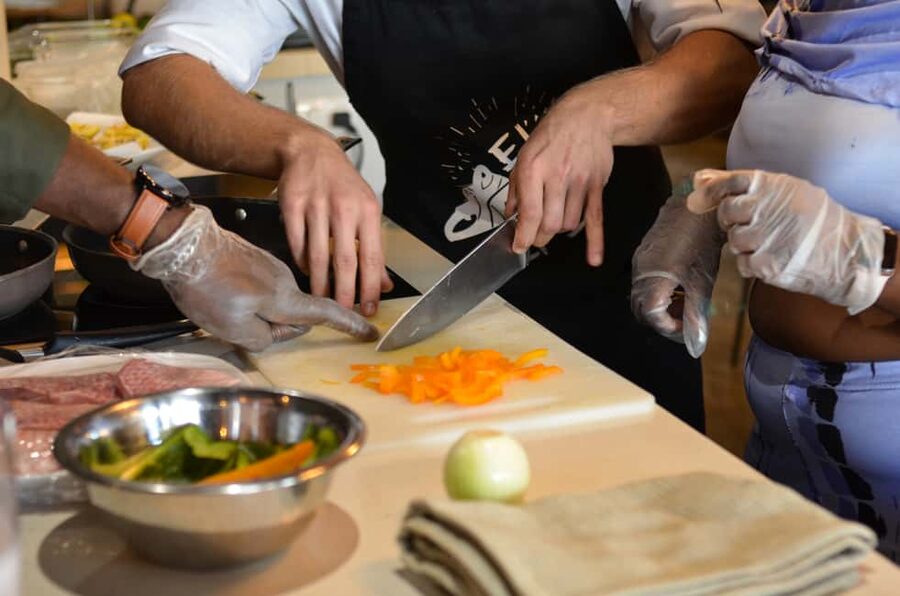
Your session runs like a real kitchen timeline: prep first, then sauce, then finishing the fish.
1) Preparing the fish
You’ll clean and season the red snapper with a blend of aromatic herbs and spices. That’s not a tiny step—seasoning early helps flavor the fish all the way through, not just on the surface.
2) Making coconut sauce from scratch
Next comes the big skill. Using freshly grated coconut, you extract the milk and create a smooth, creamy sauce base. Then the class adds peppers, onions, and garlic for heat and depth.
3) Simmering until it’s done
Once the sauce is ready, the fish goes in and you simmer until it’s fully cooked. This simmer time is where flavors meld, and it’s also where you learn to watch the dish rather than rely on a strict guess.
If you’ve ever had coconut-based dishes turn out thin or gritty, this is the exact area where the class can pay off. The quality of coconut milk and how you treat it changes everything.





The Aromatic Sauce Part: Peppers, Onion, Garlic, and Heat
The coconut sauce isn’t just coconut plus salt. It’s coconut plus aromatics. You’ll add a mix of peppers, onions, and garlic, which brings both sweetness and bite.
I like this part because it turns a Caribbean-style ingredient lineup into something you can actually control. If you’re a beginner, the aromatics give you a clear “direction” while cooking. If you’re more experienced, you’ll notice how the sauce develops after the fish goes in—suddenly everything tastes like one unified dish.
Cassava, Plantain, and Rice: The Plate Gets Balanced
This is one of the smartest choices in the menu planning. You’re not asked to build a meal around just one ingredient. You’ll pair your chillo al coco with:
- Cassava
- Plantain
- Rice
Those sides matter because they change the texture and the rhythm of the meal. Cassava brings a starchy, grounded element. Plantain adds a sweet note (depending on how it’s handled). Rice helps everything feel filling and cohesive. Together, they make the dish feel complete and not like a cooking-class snack.
Practical takeaway: if you’re hungry after a day of travel, this meal planning is comforting. You’re not leaving wondering where the real carbs are.
Taino Concept Store: A Cultural Touch, Not Just a Kitchen Stop
The experience is paired with a Taino Concept store as part of the outing. The details aren’t spelled out here, but the key point is simple: you’re not only in a cooking room. You also get a chance to connect the food to the wider Dominican cultural framing of the lesson.
For me, that’s a good balance. Cooking classes can feel like isolated “food performances.” A concept store connection keeps the day tied to the region’s identity.
Punta Cana Pickup and Small-Group Reality
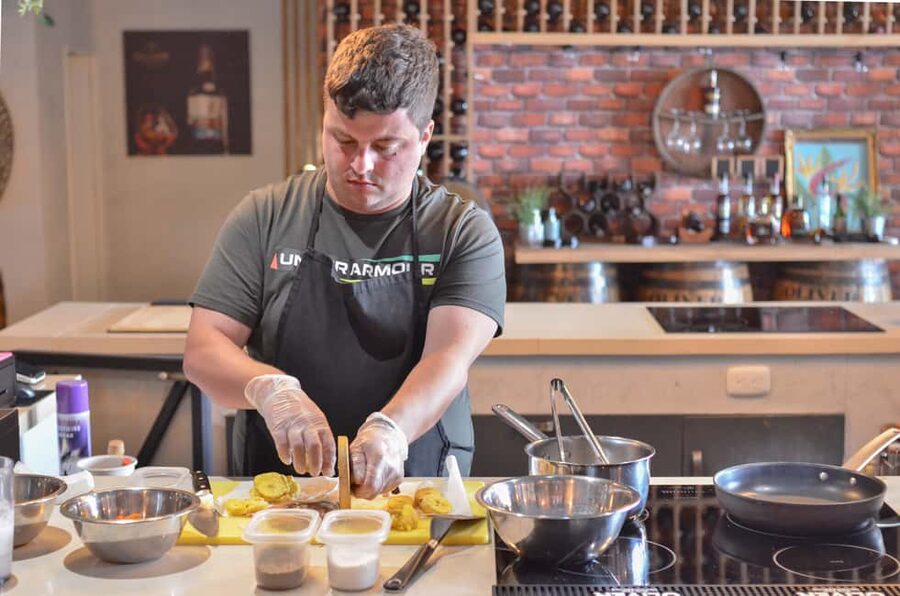
Logistics can make or break a food day. Here, you get hotel pickup and drop-off by air-conditioned minivan. The group is limited to 10 participants, which is genuinely helpful. Smaller groups mean less waiting, more time with the instructor, and better flow in the kitchen.
A few details you should plan around:
- Drivers will wait no longer than 5 minutes after the scheduled pickup time.
- You should be in the hotel lobby 10 minutes before pickup.
- Free transportation is included only in the Bavaro/Punta Cana area. If you’re in Uvero Alto, there’s an extra charge.
Also, you should know the class is suitable for all ages, including beginners. If you’re traveling with a kid who wants to help, the structure is designed to let people participate rather than watch from a distance.
Price and Value: Why $98 Can Make Sense
At $98 per person, this isn’t a bargain-basement activity. But it can still be good value depending on what you care about.
Here’s what your price covers:
- Air-conditioned minivan transport
- Hotel pickup and drop-off
- Local taxes
- Cooking class instruction (English and French)
- Hands-on preparation of a full meal (fish, coconut sauce, and sides)
What’s not included:
- Drinks and beverages
So the value equation looks like this: if you want an instructor-led, small-group, hands-on meal using fresh ingredients—plus the transportation—then the price can feel fair. If you mainly want a casual snack and a quick look, you might find this cost high.
My practical advice: treat it like a paid dining experience with learning attached. If you’re excited to cook and eat what you make, you’ll likely feel the value quickly.
Guides and Atmosphere: Randy, Ruth, and Roody Stand Out
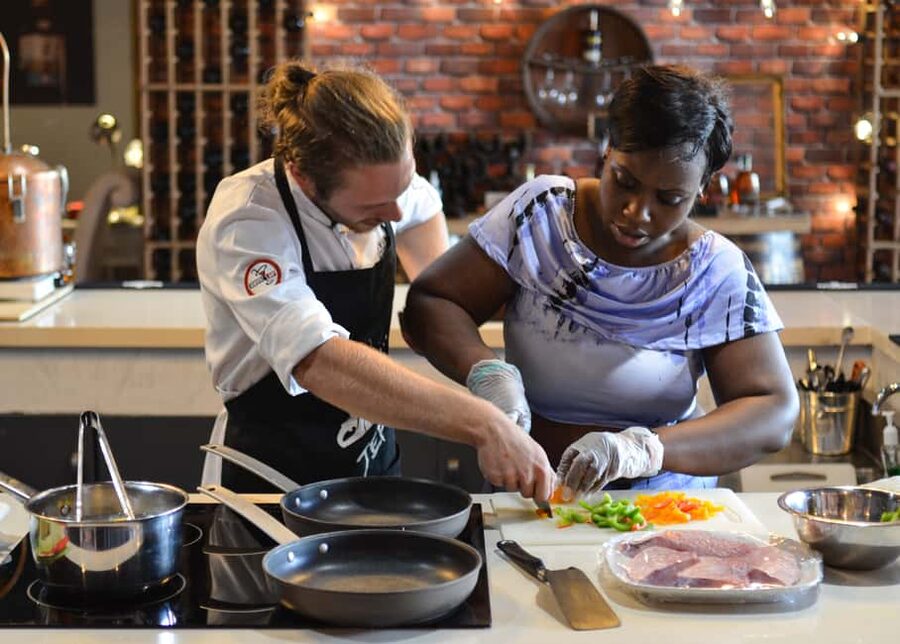
The experience is only as good as the people running it, and the instructor feedback is strong. Multiple guides were praised by name: Randy, Ruth, and Roody. The consistent theme is that the instructors are welcoming, patient, and good at teaching in a way that stays fun.
That matters for a cooking class. If you’re unsure of timing or technique, you need a teacher who keeps the pace comfortable. If you already cook, you still want someone who can explain why steps matter—like seasoning fish properly or building coconut sauce texture.
From the tone of the feedback, the atmosphere tends to be positive and supportive. That’s especially important in a small group where everyone is working close to each other.
When the Day Changes: Power Outages and Schedule Swings
Even the best-run class can get hit by the unexpected. One issue that came up is a power outage that forced the class to be stopped. In that case, the organizer acted professionally, tried to find an alternative date, and arranged a refund when an alternative wasn’t possible due to the group’s travel timing.
Another scheduling consideration: some people reported the day running longer than expected, including added time for a shop stop en route. That doesn’t mean it will happen to you, but it does mean you should keep your afternoon plans flexible.
Practical take: if you have a tight itinerary after this class, plan extra cushion. A food day tends to run on real-time kitchen realities.
What to Wear and Bring (So You’re Comfortable)
This is a hands-on cooking class with fish and coconut sauce. Even if the kitchen is controlled, things can get messy.
I’d go with:
- clothes you don’t mind getting food on
- closed-toe shoes
- a good reusable water bottle (since drinks aren’t included, you’ll want your own plan)
If you enjoy taking photos, be mindful around the stove area. You’ll get great shots, but keep safety first.
Who Should Book This Cooking Class—and Who Might Skip
You’ll probably love this if:
- you want to cook Dominican food and eat what you make
- you like hands-on lessons more than watching
- you care about flavor technique, especially coconut sauce made from coconut milk
- you’re traveling with anyone who enjoys trying local ingredients like cassava and plantain
You might skip it if:
- you want a low-cost activity and don’t care about instruction
- you hate any schedule uncertainty (some days can run long, and power disruptions can happen)
- you don’t want fish-based dishes (the main ingredient is red snapper)
Should You Book Chillo al Coco in Punta Cana?
My take: it’s an excellent booking if you want a real cooking lesson with a clear payoff—you make chillo al coco and the sides. The small group size, bilingual instruction, and the fact that the sauce is built from fresh coconut are the big strengths.
Book it when you:
- like learning by doing
- want a meal that feels substantial
- can keep your schedule flexible for the day
Hold off or choose carefully if you’re on a tight timeline or you’re counting on drinks being included (they’re not). Also, if you’re staying outside Bavaro/Punta Cana (like Uvero Alto), budget for the extra transport charge.
FAQ
FAQ
What dish will I learn to make?
You’ll learn to make chillo al coco: red snapper with coconut sauce, served with cassava, plantain, and rice.
How long is the cooking class?
The duration is listed as 1 day. Start times depend on availability.
Is hotel pickup included?
Yes, hotel pickup and drop-off are included. Free transportation is included only in the Bavaro/Punta Cana area.
What languages are the instructors?
The instructor speaks English and French.
How many people are in the group?
It’s a small group limited to 10 participants.
Are drinks included?
No. Drinks and beverages are not included.
What if plans change?
You can cancel up to 24 hours in advance for a full refund.
More Shopping Tours in Punta Cana
- 101 Oliver Rum Tasting & Pairing And Taino Concept Store
★ 5.0 · 244 reviews - Punta Cana Oliver & Oliver Rum Tasting & Taino Concept Store
★ 4.6 · 146 reviews - Punta Cana: Shopping Tour with Hotel Pickup and Drop-Off
★ 3.7 · 54 reviews - Shopping Tour In Don Lucas Cigar Factory, Rum tasting, Cocoa factory, Souvenirs
★ 4.0 · 51 reviews - Shopping tour Punta Cana rum cigars coffee larimar chocolate souvenirs mamajuan
★ 4.0 · 44 reviews - Chocolate Master Class & Taino Concept Store
★ 5.0 · 43 reviews
More Tour Reviews in Punta Cana
- Private Airport Punta Cana to La Romana Bayahibe or Casa de Campo Resort Area
★ 5.0 · 6,662 reviews - Punta Cana Zipline Adventure with Buggies and Horseback Riding
★ 5.0 · 5,001 reviews - Full-Day Santo Domingo City Tour from Punta Cana
★ 4.5 · 4,500 reviews - Punta Cana: Catamaran Boat to Saona Island with Buffet Lunch
★ 4.4 · 3,822 reviews - Punta Cana Dune Buggy Adventure and Amazing Water Cave
★ 4.5 · 3,411 reviews - Half-Day Adventure 4×4 ATV, Water Cave and Dominican Culture
★ 4.5 · 3,394 reviews
Fresh off the boat: the newest Punta Cana reviews





Workshops, compared.
 ★ 4.5Group Surf Lessons Punta Cana – Fun, Easy & Beginner-FriendlyFrom $115121 reviews
 ★ 5.0Chocolate Master Class & Taino Concept StoreFrom $5743 reviews
 ★ 5.0Kiteboarding Lessons in Punta CanaFrom $21532 reviews
 ★ 4.0Saona Island VIP 4 first-class beach and sunsetFrom $12530 reviews
 ★ 4.6One-on-One Surf Lesson on Macao BeachFrom $11526 reviews
 ★ 5.0Full-Day Surf Camp in Punta Cana –Lessons, Beach Time & AdventureFrom $20012 reviews
★ 4.6Chocolate Master Class & Taino concept StoreFrom $5712 reviews
★ 5.0Full-Day Surf Camp in Punta Cana –Lessons, Beach Time & AdventureFrom $20012 reviews
★ 4.6Chocolate Master Class & Taino concept StoreFrom $5712 reviews
 ★ 5.0Dance Bachata/salsa like a PRO with private classFrom $457 reviews
Browse the lists this tour appears in