
Reviewed · BUGGY & ATV ADVENTURES
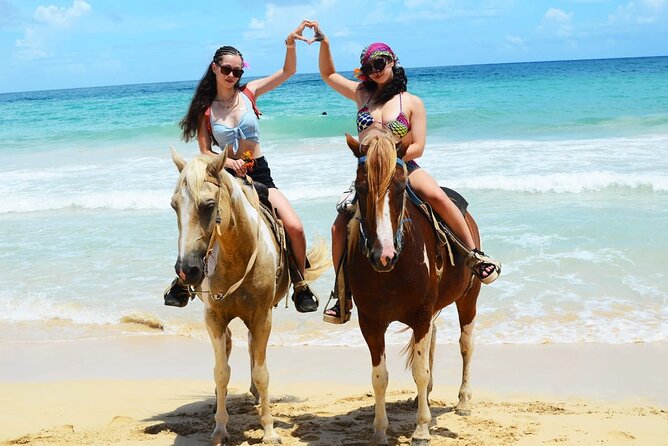
Horses, Buggy, and plantation in Chocaci Ranch
Coffee, cacao, and cigars on one ranch ride. Rancho Chocaci keeps things grounded and local, with a family-run setup where you learn the full path from plantation to drink and treats—plus animals and a chance to get involved in the process. The vibe is part farm tour, part practical workshop, and part community visit, all wrapped into an easy hands-on stop.
I love how the experience mixes three things people actually care about: coffee and chocolate you can taste, and tobacco that you help roll. I also like the small-group feel—this one caps at 20 people, and the tour includes a guide plus coffee or tea, so you’re not just watching.
One thing to keep in mind: a small number of past visitors raised concern about horse comfort and care. If horses are part of your plan that day, I’d pay attention to how they’re treated on-site and speak up if anything looks off.
In This Review
- Key highlights you’ll remember
- Rancho Chocaci in Punta Cana: a working farm feel, not a scripted show
- Price and value: what $115 per group actually buys
- Getting to the ranch: pickup, mobile ticket, and staying comfortable
- Horses and buggy time: the fun transport part
- Stop 1: Welcome to Rancho Chocaci and the plantation basics
- Stop 2: Making chocolate from cacao you peeled and ground
- Coffee you grind and brew: why this tasting hits different
- Rolling tobacco: the skill-building moment you can actually take home
- The animal-rescue and community side: why it feels human
- What to expect in the timing and flow (and how to plan your day)
- Who this tour is best for (and who should think twice)
- Tips for getting the most out of your ranch visit
- Should you book this tour at Chocaci Ranch?
- FAQ
- How long is the tour?
- How much does it cost?
- Is pickup included from Punta Cana?
- What’s included in the price?
- Are meals included?
- Will I need to print a ticket?
- How many people are on the tour at most?
- Are service animals allowed?
- What is the cancellation policy?
- Is the experience suitable for most people?
Key highlights you’ll remember
- A family-run plantation in Punta Cana where local community members support the ranch through its profits
- From-plant-to-product lessons on coffee, cacao, and tobacco, presented step-by-step
- Hands-on chocolate and coffee prep where you grind, make, and taste what you helped prepare
- Roll-your-own tobacco activity, with instruction from the ranch team
- Animal encounters—cats, dogs, pigeons, and other pets may be around the property
- Bring-a-treat option for rescued pets: if you have milk or food they’d like, the ranch says it’s welcomed
More mud, dust and dune-buggy runs
- Punta Cana Zipline Adventure with Buggies and Horseback Riding★ 5.0 · 5,001 reviews
- Punta Cana Dune Buggy Adventure and Amazing Water Cave★ 4.5 · 3,411 reviews
- Half-Day Adventure 4×4 ATV, Water Cave and Dominican Culture★ 4.5 · 3,394 reviews
Rancho Chocaci in Punta Cana: a working farm feel, not a scripted show
This is the kind of stop that feels like you stepped into everyday life on a Dominican Republic ranch. Rancho Chocaci is family-run, and the tour approach is practical: you see (and do) parts of how coffee, cacao, and tobacco move from raw ingredients to the items people enjoy.
What makes it especially interesting is the mix. You’re not only walking through crops. You’re getting pulled into the workflow—peeling, grinding, making chocolate, brewing coffee, and even rolling tobacco. That “from scratch” framing matters because it turns the experience from sightseeing into understanding. Even if you’re not a huge plant nerd, it gives you a reason to care about the final taste.
The other real-world detail: the ranch also talks about rescued animals—dogs and cats in particular—and welcomes community members. For you, that means it’s not just entertainment; it’s a place with responsibilities and daily routines.
Price and value: what $115 per group actually buys
The price is $115 per group (up to 2) for about 2 hours. That may sound like a lot if you’re used to big bus tours, but the value comes from how “small” this runs and what’s included.
Here’s what you get without extra add-ons:
- Air-conditioned vehicle
- Guide
- Coffee and/or tea
- WiFi on board
- Pickup (round-trip is included)
So you’re paying for a focused, guided plantation experience that includes both transport and instruction. There’s no meal included, so you’re still handling food plans separately—but for many people, that’s fine. You’re coming for the tastings and the hands-on making, not a full sit-down lunch.
Also, the group limit (maximum 20) tends to keep the experience personal enough that you can ask questions and actually participate, instead of being rushed through like a checklist.
Getting to the ranch: pickup, mobile ticket, and staying comfortable
This tour is set up to be low-stress. Round-trip pickups are included, and the vehicle is air-conditioned. There’s also WiFi on board, which can be handy for messaging, navigation, or just passing time before you head out.
You’ll get a mobile ticket, and you’ll receive confirmation at booking. That’s useful because it reduces the “Where do I show up?” anxiety that can happen with tours that require printed paperwork.
Practical tip: since it’s about two hours total, plan your day so you’re not rushing right after. You’ll want a little buffer for the ride back and for anyone in your party to shop or ask questions.
A few more Punta Cana trips worth putting side by side with this one:
Horses and buggy time: the fun transport part
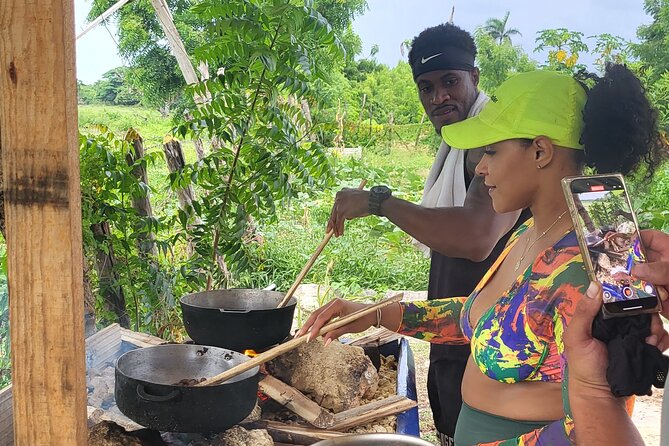
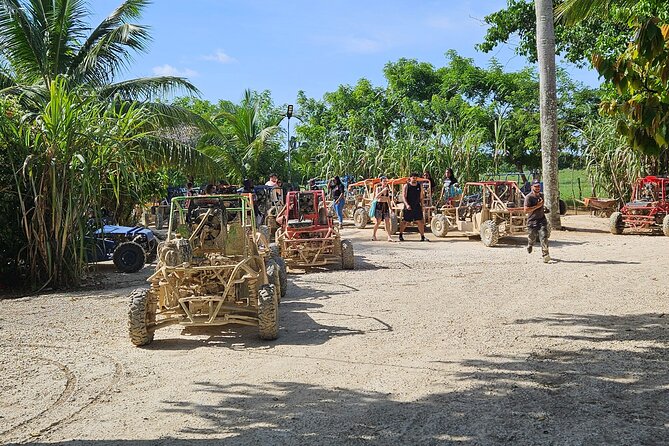
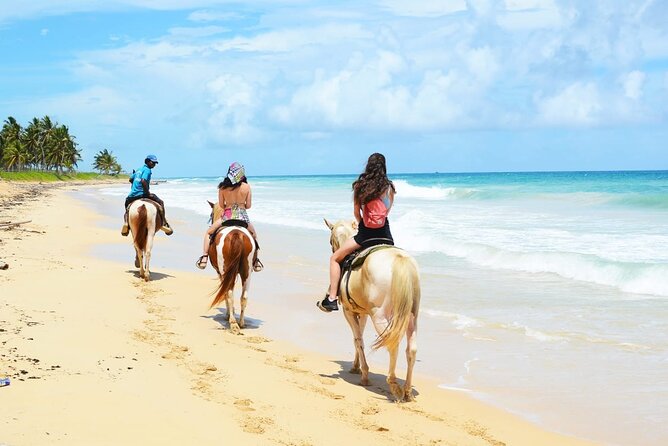
The tour title includes horses and a buggy, which signals that you’ll spend time moving around the ranch area in a more playful, traditional way—not just walking on a path. For some people, this is the highlight because it’s a break from the usual resort rhythm and it changes your perspective.
One important note, based on real concerns raised by some visitors: if your day includes horseback riding, take a calm moment to observe horse conditions and handling. If anything seems uncomfortable or neglected, it’s reasonable to flag it to the team on the spot.
If you want an extra-memorable photo moment, this is also the part where you’re likely to get good angles—just remember to respect the pace and safety rules given by the ranch.
Stop 1: Welcome to Rancho Chocaci and the plantation basics
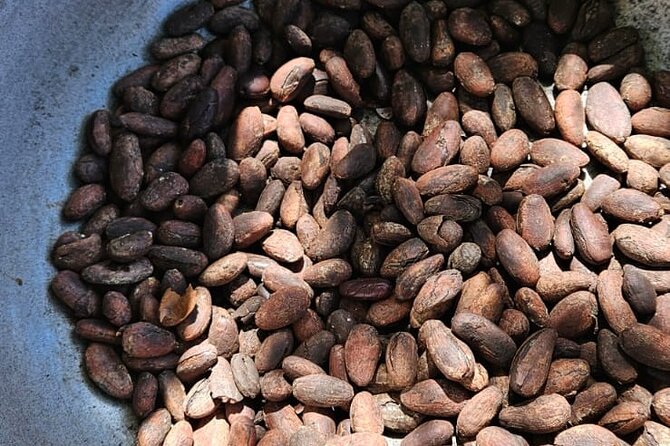
You start at the ranch with a welcome that sets up the theme: coffee, cacao, and tobacco made from scratch, shown from the plantation side of things. You’ll also meet an animal-friendly environment—cats, dogs, pigeons, and others may be around.
This first segment is where the experience earns its “cultural and educational” reputation. Instead of jumping straight into tasting, you’re seeing where ingredients come from and how people handle them. It helps you understand why coffee can taste different, why cacao processing matters, and why tobacco handling is its own skill.
If you’re bringing items for the rescued pets, this is the moment that makes it feel meaningful. The ranch specifically asks visitors to bring milk or food if the animals would like it. That’s not just a cute add-on. It connects you to the reality of the place: caring for animals is part of the daily workload.
Stop 2: Making chocolate from cacao you peeled and ground
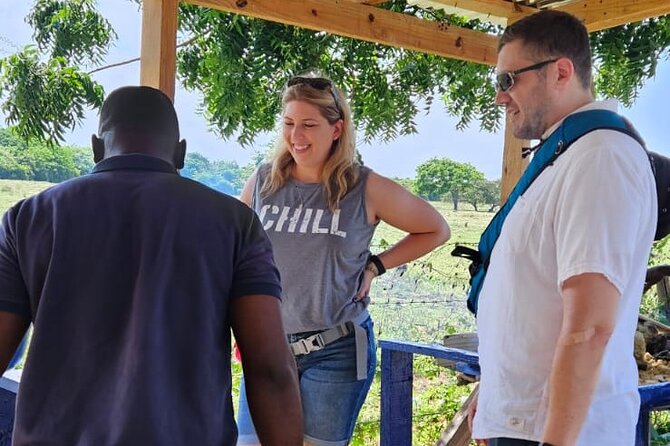
Next, the experience shifts from explanation to action. The big moment is chocolate making using the cacao you worked with. You’ll peel, grind, and then move into turning cacao into something you can taste.
This is the part I think people enjoy most because it’s immediate. Your hands are involved, and the outcome is sensory—smell, texture, and flavor. Even if you don’t remember every step later, you’ll remember what fresh cacao processing smells like and how it changes when it becomes chocolate.
One practical consideration: chocolate preparation can be a little messy. Wear shoes you’re comfortable getting slightly dirty and bring a small towel if you think you’ll need one.
Coffee you grind and brew: why this tasting hits different
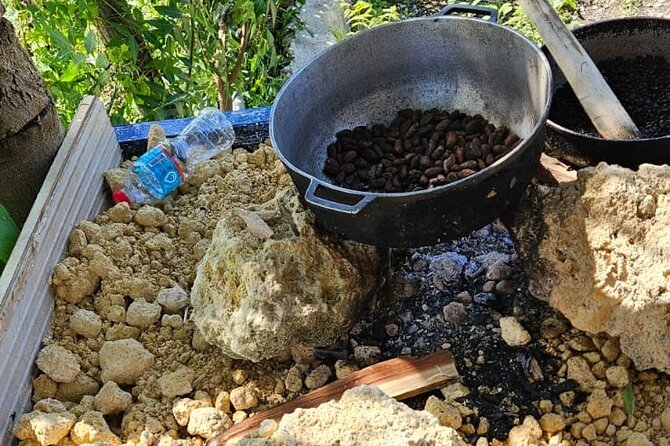
After cacao work, you’ll do the same “hands-on” concept with coffee. You’ll grind and then make coffee with the same coffee used earlier in the process. You’ll also be served coffee and/or tea, which is included.
The value here isn’t only that the coffee is good. It’s the cause-and-effect learning. When you grind the beans yourself, you notice how the texture affects flavor and aroma. It’s a simple link, but it makes the taste more understandable.
Based on what people frequently highlight about the ranch team, the coffee-making part often gets a lot of praise for instruction and hospitality. If you get the chance to ask questions while you’re making your cup, do it. Those small Q&A moments are usually where you learn the local “why” behind the method.
Rolling tobacco: the skill-building moment you can actually take home
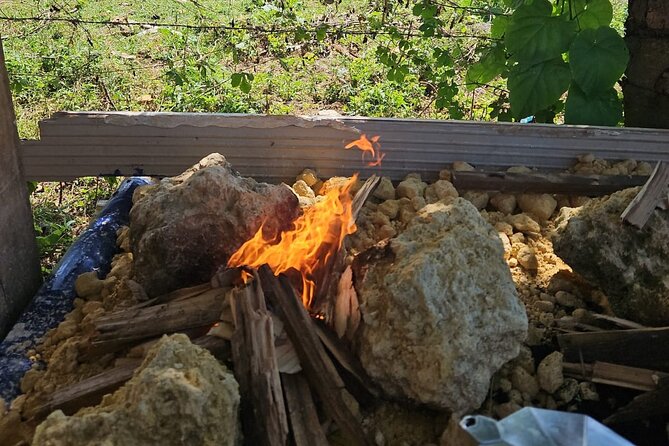
The final core activity is rolling your own tobacco. The process here is more skill-based than coffee or chocolate. Rolling takes coordination and patience, and that’s why it’s memorable—you’re doing something real, not only watching.
This is also the part where the ranch guides tend to earn their compliments. Names that come up often include Aaron, along with team members like Michelle/Michel for coffee and Chris for photography and cigar instruction. You might not have the exact same staff as others, but the consistent theme is clear: people are friendly, and they explain in plain, practical ways.
If you or someone in your group isn’t a smoker, you can still treat this like a craft lesson. The value is the method and the cultural side of tobacco production, not whether you personally light up.
Also, if you’re planning to buy anything afterward, set your expectations early. One concern raised is that gift shop pricing can feel high, so decide ahead of time whether you want souvenirs and keep an eye on the cost of any items.
The animal-rescue and community side: why it feels human
Lots of tours promise authenticity. This one leans into something more specific: a family-run operation that’s tied to community support. The ranch notes that many community members visit and help, and that they benefit from the ranch’s profits.
That matters because it changes your role. You’re not “consuming” a place. You’re participating in a real-world system where people’s livelihoods are connected to the ranch’s work.
And the rescued pets add another layer. If you’re an animal person, this is the part that may tug at your heart. If you’re not, it’s still useful context—because the tour’s tone becomes less about performance and more about responsibility.
What to expect in the timing and flow (and how to plan your day)
The tour runs about 2 hours. That’s tight enough to keep energy up, but long enough to include multiple stages: welcome/orientation, plantation explanation, cacao preparation, coffee preparation, and tobacco rolling.
Because the group can be up to 20 people, you should expect a rhythm that works for everyone—some waiting while the guide demonstrates, then your turn to try. That’s normal. If you’re the type who loves lots of one-on-one time, you’ll still likely get it during the hands-on steps, especially since coffee and chocolate are interactive.
Plan to come ready to participate. This isn’t purely sit-and-watch entertainment.
Who this tour is best for (and who should think twice)
This experience fits best if you want:
- A short, structured cultural stop beyond the usual beach-only plan
- Hands-on activities: grinding, making, tasting, and rolling
- A smaller-group feel (max 20)
- A chance to learn about coffee/cacao/tobacco in a practical way
It may be less ideal if:
- You’re very sensitive about animal treatment and don’t want any chance of horseback riding
- You expect a big meal included (meals are not part of the package)
- You dislike workshops that include optional shopping afterwards
In other words: if you’re there for learning and making, you’ll probably feel satisfied. If you only want a relaxed photo stop, this might feel like more “workshop” than you expected.
Tips for getting the most out of your ranch visit
You’ll enjoy this more if you treat it like a real class, not a quick tour. Here are a few smart, practical moves:
- Ask questions during the production steps. If the guide explains cacao and coffee processing, ask what changes the flavor.
- Bring a small cash amount for tips if that’s part of your travel style.
- Wear closed-toe shoes. You may be near farm materials, and the chocolate/coffee part can be slightly messy.
- If you’re comfortable with it, follow the ranch’s suggestion about bringing milk or food for rescued pets.
And on the horse part: keep an eye on how horses look and how they’re handled. You don’t need to be confrontational. A calm check-in with staff if something seems off is reasonable.
Should you book this tour at Chocaci Ranch?
I’d book this if your main goal is a short, hands-on Punta Cana cultural experience—one that teaches coffee, cacao chocolate, and tobacco rolling in a way you can taste and do. The included coffee/tea, guide, pickup, air-conditioned transport, and small-group cap all support the price.
I’d think twice only if you’re strongly concerned about horseback riding and animal care, since at least one past visitor raised issues about horse condition. If you’re booking, plan to do a quick, respectful observation during the horse portion and decide based on what you see in the moment.
If you want a break from resort life and you like learning by doing, Horses, Buggy, and plantation at Rancho Chocaci is the kind of tour that gives you stories you can actually explain back home.
FAQ
How long is the tour?
The tour lasts about 2 hours.
How much does it cost?
It costs $115.00 per group, up to 2 people.
Is pickup included from Punta Cana?
Yes. Round-trip pickups are included, and pickup is offered.
What’s included in the price?
The tour includes a guide, air-conditioned vehicle, WiFi on board, and coffee and/or tea.
Are meals included?
No. Meals are not included.
Will I need to print a ticket?
No. You receive a mobile ticket.
How many people are on the tour at most?
This tour/activity has a maximum of 20 travelers.
Are service animals allowed?
Yes. Service animals are allowed.
What is the cancellation policy?
You can cancel for free up to 24 hours in advance for a full refund.
Is the experience suitable for most people?
Yes. Most travelers can participate.
More Horses in Punta Cana
- Punta Cana Zipline Adventure with Buggies and Horseback Riding
★ 5.0 · 5,001 reviews - 5 tours in 1 (Eco Farm/Horseback/City Tour/Buggy/Zipline)
★ 4.5 · 1,443 reviews - 7 Tours Punta Cana: Zipline, Chairlift, ATV, Ride Horses, & More!
★ 4.5 · 1,172 reviews - Punta Cana Beach Horseback Riding
★ 4.5 · 983 reviews - Beach Sunset on Horse Riding in Punta Cana(Private Option)
★ 5.0 · 684 reviews - Horseback Riding and ATV or Buggy to Water Cave and Macao Beach
★ 5.0 · 533 reviews
More Tour Reviews in Punta Cana
- Private Airport Punta Cana to La Romana Bayahibe or Casa de Campo Resort Area
★ 5.0 · 6,662 reviews - Punta Cana Zipline Adventure with Buggies and Horseback Riding
★ 5.0 · 5,001 reviews - Full-Day Santo Domingo City Tour from Punta Cana
★ 4.5 · 4,500 reviews - Punta Cana: Catamaran Boat to Saona Island with Buffet Lunch
★ 4.4 · 3,822 reviews - Punta Cana Dune Buggy Adventure and Amazing Water Cave
★ 4.5 · 3,411 reviews - Half-Day Adventure 4×4 ATV, Water Cave and Dominican Culture
★ 4.5 · 3,394 reviews
More Buggy and ATV Runs
- Punta Cana Zipline Adventure with Buggies and Horseback Riding
★ 5.0 · 5,001 reviews - Punta Cana Dune Buggy Adventure and Amazing Water Cave
★ 4.5 · 3,411 reviews - Half-Day Adventure 4×4 ATV, Water Cave and Dominican Culture
★ 4.5 · 3,394 reviews - 4×4 Dominican Adventure with Chocolate and Coffee Tasting
★ 5.0 · 2,920 reviews - Half-Day Buggy Tour to Water Cave and Macao Beach
★ 4.5 · 2,587 reviews - Punta Cana Family Wild Buggy Eco Adventure
★ 4.5 · 2,372 reviews
Fresh off the boat: the newest Punta Cana reviews






Buggy & ATV Adventures, compared.
 ★ 5.0Punta Cana Zipline Adventure with Buggies and Horseback RidingFrom $1005,001 reviews
 ★ 4.5Punta Cana Dune Buggy Adventure and Amazing Water CaveFrom $613,411 reviews
 ★ 4.5Half-Day Adventure 4×4 ATV, Water Cave and Dominican CultureFrom $643,394 reviews
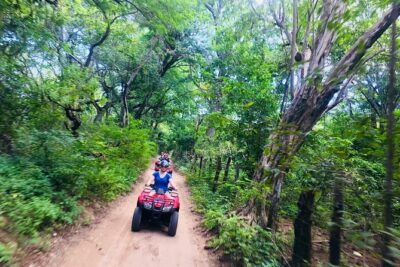 ★ 5.04×4 Dominican Adventure with Chocolate and Coffee TastingFrom $592,920 reviews
 ★ 4.5Half-Day Buggy Tour to Water Cave and Macao BeachFrom $542,587 reviews
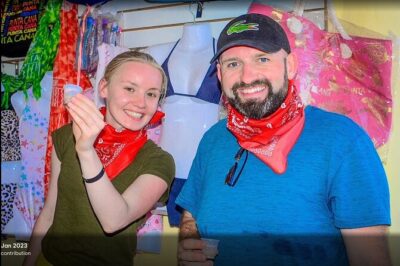 ★ 4.5Punta Cana Family Wild Buggy Eco AdventureFrom $482,372 reviews
 ★ 5.0ATV Adventure to Water Cave and Macao Beach in Punta CanaFrom $452,206 reviews
 ★ 4.1Punta Cana Buggy & ATV Tour: Cave, Macao Beach, Free Pick-UpFrom $352,134 reviews
Browse the lists this tour appears in