Reviewed · BAVARO TOURS
Bávaro: Scuba Diving Experience for Beginners
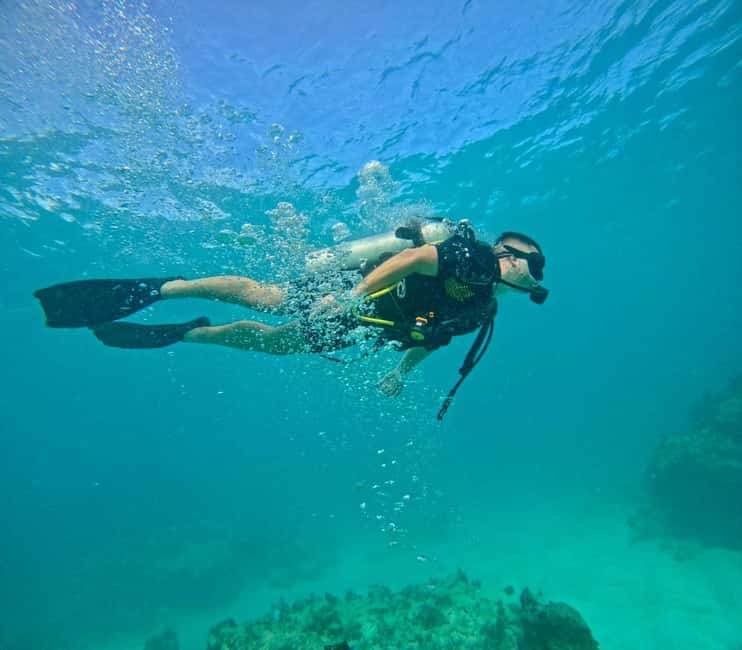
Going from dry land to breathing underwater can feel weird at first. What makes this Bavaro, Punta Cana experience work is the patient, instructor-led setup and the chance to get real time underwater (about 30 minutes) to 6–12 meters without committing to a full certification course. One thing to factor in: you need to be comfortable in the water, and you won’t leave with certification.
I like that it’s structured as a true beginner try-out, not a rushed stunt. You’ll get all the gear, plus van pickup in Bávaro so you’re not sorting logistics while you’re nervous. The main drawback is that time underwater may feel short if you struggle with regulator breathing or adaptation—so communicate your comfort level early.
In This Review
- What this $100 program is really for
- Quick hits: what matters most in Bavaro
- Punta Cana’s beginner scuba program: how the day actually feels
- Price and value: what $100 buys in real terms
- Getting there from Bávaro: the itinerary flow that sets expectations
- The one thing to watch in the timing
- Entering the water at 6–12 meters: what to expect underwater
- Non-swimmers: what the program implies
- How the lesson works: regulator breathing and first real confidence
- Marine life and the view: why this depth range actually impresses
- Transportation and communication: how the logistics protect the experience
- Who this is best for (and who should skip it)
- It’s a great fit if you:
- It’s not suitable if you:
- Photos and keepsakes: plan beyond the basics
- Tips to make your first underwater session smoother
- Should you book this Bavaro beginner scuba session?
- FAQ
- How long is the scuba experience?
- Where is pickup provided?
- How deep do you go?
- How long do you spend underwater?
- Is this a certification course?
- Is it suitable for non-swimmers?
- What should I bring?
- What health conditions mean I should not book?
What this $100 program is really for
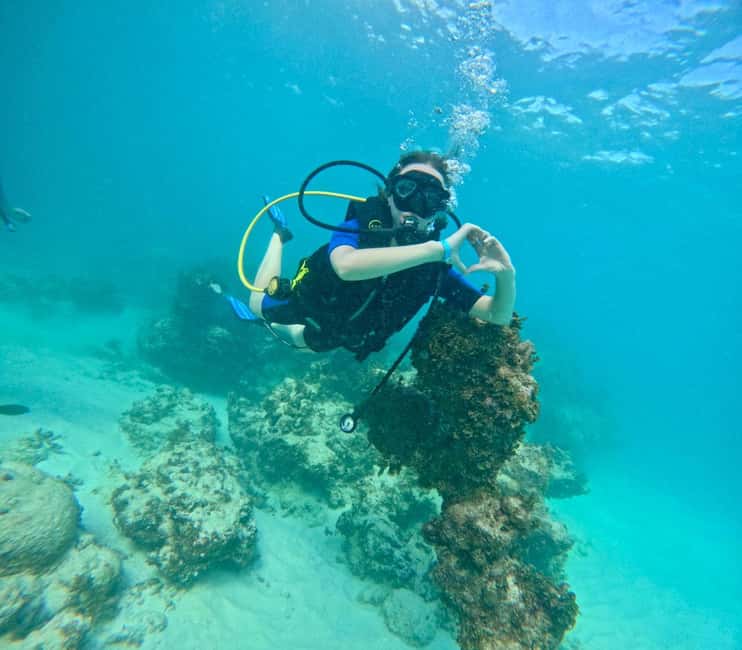
This is for people who want to answer one question: what does it actually feel like to breathe underwater? You’ll learn the basics, follow strict safety protocols, and see tropical marine life up close at a manageable depth range.
It’s also a smart stepping-stone. While it doesn’t result in certification, it can be credited as your first open-water scuba session toward open-water certification—useful if you’re thinking bigger later.
More to fill a day along the Bavaro strip
- Luxe Black Car Transfer – Cap Cana, Bavaro & Punta Cana Airport★ 4.5 · 525 reviews
- Private Transfer between Punta Cana Airport and Bavaro★ 4.5 · 498 reviews
- Private transfer from Bávaro Hotels to Punta Cana Airport★ 5.0 · 388 reviews
Quick hits: what matters most in Bavaro
- 30 minutes underwater in clear Punta Cana waters at 6–12 meters
- Beginner-focused instruction with equipment handling and breathing practice
- Transportation included with Bávaro pickup and a reported smooth, high-rated ride
- Marine-life rules (no touching plants or animals) built into the experience
- No certification, but it may count toward your open-water certification training
- Health and comfort limits: not suitable for people with heart or respiratory issues
Punta Cana’s beginner scuba program: how the day actually feels
In Punta Cana, a lot of “scuba” offers sell the fantasy of instant confidence. This one sells the opposite: a guided, step-by-step experience where the goal is control. You’re not being asked to perform. You’re being taught how to manage breathing gear, buoyancy basics, and your own pace once you’re submerged.
That structure shows up in the most praised parts of the experience. The instruction is described as calm and very attentive, especially for first attempts. The tone matters. When you’re learning how the regulator changes your breathing rhythm, a patient coach can be the difference between panic and focus.
You’re also not just dropped into the water. The 3.5-hour format gives room for setup and guidance. And the underwater segment is clearly defined: a minimum of 30 minutes and a depth range of 6 to 12 meters. That’s a sweet spot for first-timers—deep enough to feel like a real change of world, shallow enough that you’re not dealing with extreme conditions.
Price and value: what $100 buys in real terms
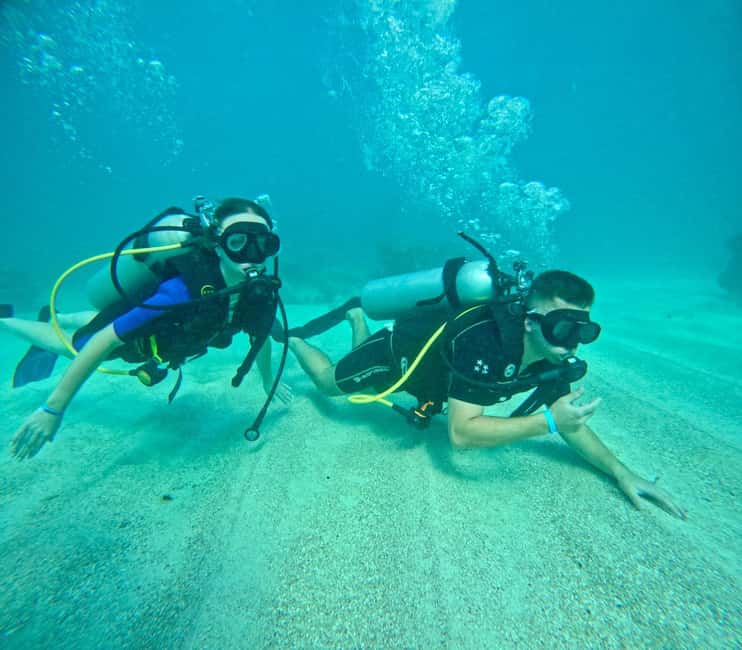
At around $100 per person for a 3.5-hour program, the value is mostly in three things you don’t want to DIY:
1) Gear included. You’re provided all necessary scuba equipment, which is a big cost saver if you’d otherwise rent. It also means you get gear that matches the training style and depth plan.
2) Instructor-led coaching. This is the part you can’t replace with good intentions. A trained instructor handles the safety flow and helps you work through early discomfort—like that slightly unnatural feeling of breathing underwater.
3) Transport included. Pickup from Bávaro and van time is handled for you. In practice, this matters because your body is already dealing with stress hormones and cold-water awareness (even in warm regions, the initial entry can still startle you). Less to think about means better learning.
What’s not included is also important for budgeting. Certification isn’t part of the price, and photos are not included. If you want images, you may need to plan for that separately.
A few more Punta Cana trips worth putting side by side with this one:
Getting there from Bávaro: the itinerary flow that sets expectations
Here’s the practical rhythm you should expect, based on the schedule:
1) Pickup location: Bávaro
You meet the group for pickup and head out by van.
2) Van transfer (about 20 minutes)
This short ride helps you arrive before the lesson energy spikes. It also gives you a moment to calm down if you’re already nervous.
3) Guided portion (about 2 hours)
This is where the real preparation happens. Expect time for equipment fitting, safety protocols, and guided practice so you can breathe through the regulator comfortably before you go deeper.
4) Return to Bávaro
After the in-water time, you get back to the starting area.
Even if the schedule looks compact on paper, it feels reasonable because you’re not rushing between tasks. You’re moving from land prep to water readiness with a clear instructor presence.
The one thing to watch in the timing
Because the underwater time is set at a minimum, some people may need a bit more adaptation time with breathing gear. If you know you take a moment to adjust to new sensations, tell your instructor early. That’s not “being difficult”—it’s how you help the team match the pacing to your comfort.
Entering the water at 6–12 meters: what to expect underwater
Once you’re suited up, your time underwater is the main event. The program plans for a depth range of 6 to 12 meters, with marine life you can see up close in Punta Cana’s clear waters.
For a first-time scuba participant, the depth range is meaningful. Too shallow can feel like you’re just standing in a pool. Too deep can overwhelm breathing and awareness. Here, the 6–12 meter band is a middle track that tends to feel adventurous without being out of control.
Also, note the rules that shape your experience:
- You’re not allowed to touch marine life
- You’re not allowed to touch plants
That protects the ecosystem and, honestly, it also protects you. When you’re learning, the safest experience is one where you don’t have to remember hands-off while managing your breathing.
Non-swimmers: what the program implies
The experience is described as possible even for non-swimmers, as long as the safety protocols apply. That doesn’t mean “no water comfort needed.” It means you’re supported with the structure and supervision needed for beginners, rather than expecting athletic swimming confidence.
How the lesson works: regulator breathing and first real confidence
The hardest moment for many first-timers is the regulator breathing phase. Your brain wants to treat it like a stress event. Your body responds like it’s learning a new rhythm.
One of the strongest themes from the feedback is how instructors help people through that initial adjustment. First attempts can feel unnatural. But with short practice and calm coaching, the unnatural feeling often fades into something more automatic.
Here’s what you should pay attention to as a learner:
- Seal and fit matter. If you have facial hair, you might get a less secure seal depending on the equipment. Plan for that by keeping a clean face if you can, or be ready to let the instructor fine-tune the fit.
- Breathing practice is not optional. If you skip the practice segment and rush to the water, you may struggle once submerged. Take the practice seriously.
- Ask for pacing. If you’re the last to enter or you feel like you’re behind, speak up. If your breathing gear still feels unfamiliar, your comfort level is part of the safety plan.
That tone—patient, attentive, and willing to repeat basics—seems to be the difference-maker between a stressful first time and a memorable one.
Marine life and the view: why this depth range actually impresses
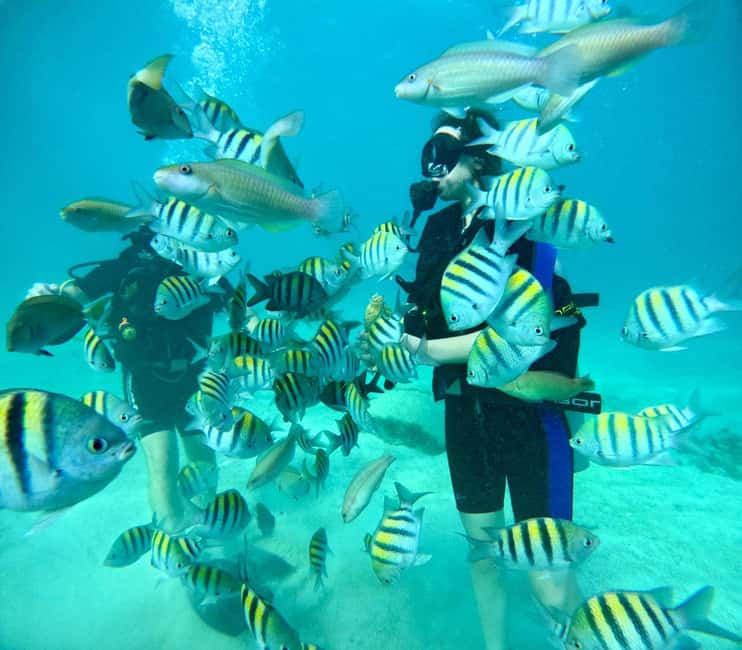
At 6 to 12 meters, you’re not just looking at a few fish near the surface. You’re getting a different underwater perspective: more distance, more texture, and that quiet “everything is suspended” feeling.
You also get the benefit of being close to what you came for. When the marine life shows up in your path, you can focus on watching without constantly worrying about gear or depth management. That’s where this program’s short, beginner-friendly structure helps.
The marine-life interaction is controlled, too. Since you can’t touch animals or plants, the experience stays about observation—seeing what’s there, not grabbing at it. It’s a more relaxing way to learn underwater etiquette.
Transportation and communication: how the logistics protect the experience
In many tours, the transport is just a ride. Here, transport seems to be treated like part of the quality of the day.
The experience includes van transfer from Bávaro, and feedback highlights excellent transport quality and friendly communication. If you’re traveling in Punta Cana and you want to reduce surprise friction—like hunting for a meeting point or guessing timing—that matters.
Also, instructors and the team operate in multiple languages (English, French, Spanish). That’s a real quality factor for safety and comfort. If your questions can be answered in your preferred language, your learning curve gets less steep.
Who this is best for (and who should skip it)
This program fits a very specific type of traveler.
It’s a great fit if you:
- Want a beginner-friendly way to breathe underwater and see marine life
- Prefer short instruction + a defined underwater session rather than a full course
- Are curious about certification later and want a first open-water training experience
- Want equipment and transport handled for you
It’s not suitable if you:
- Have heart problems
- Have respiratory issues
- Are not comfortable in the water (the program requires comfort in water as a baseline)
If you’re unsure, it’s worth being honest about your health and comfort level. Underwater safety depends on matching your physical reality to the plan.
Photos and keepsakes: plan beyond the basics
The program doesn’t include photos. That’s not a deal-breaker, but it changes how you remember the day.
If you care about getting underwater images, you’ll likely need to arrange that separately. Otherwise, your main keepsake will be the memory of your own first-time breathing rhythm and the visual sense of moving through that water layer at 6–12 meters.
Tips to make your first underwater session smoother
These are practical, beginner-safe choices that can help you enjoy the experience more and feel less behind:
- Bring swimwear and a towel. Simple, but it prevents last-minute stress.
- Arrive mentally ready for practice. The regulator breathing feels odd at first; that’s normal.
- Tell the instructor your comfort level fast. If you’re feeling nervous, that’s useful information.
- Consider your facial hair. A beard can affect seal comfort, depending on the gear fit.
- Expect rules-based observation. You’ll enjoy marine life more when you remember hands-off.
- Treat the shallow-to-deeper transition gently. If you need extra seconds to settle, ask.
Should you book this Bavaro beginner scuba session?
Book it if you want a structured, beginner-focused scuba experience in Punta Cana that trades quick thrill for real coaching. The combination of instructor-led support, all equipment, Bávaro transportation, and a clearly defined 6–12 meter plan makes it a solid value for people who want to try underwater breathing without signing up for certification right away.
Skip it if you have heart or respiratory issues, or if you’re not comfortable in water. And if you know you struggle with adapting to new sensations, plan to be upfront early so the instructor can pace your setup.
If your goal is to leave with a real sense of what scuba feels like underwater—and to possibly use the experience as a stepping-stone toward open-water certification—this is the kind of program that can set you up well.
FAQ
How long is the scuba experience?
The total duration is 210 minutes, which is about 3.5 hours.
Where is pickup provided?
Pickup is from Bávaro.
How deep do you go?
The planned depth range is 6 to 12 meters.
How long do you spend underwater?
The program includes a minimum of 30 minutes underwater.
Is this a certification course?
No. It does not result in certification, but it can be credited as your first open-water training session toward open-water certification.
Is it suitable for non-swimmers?
The experience notes that for non-swimmers, you can still enjoy the underwater world with safety protocols in place. You must still be comfortable in water.
What should I bring?
Bring swimwear and a towel.
What health conditions mean I should not book?
It is not suitable for people with heart problems or respiratory issues.
More Scuba Diving in Punta Cana
- Scuba Doo Diving Experience in Punta Cana
★ 4.0 · 422 reviews - Scuba Doo – Diving Scooters in Punta Cana
★ 4.2 · 283 reviews - 3 ADVENTURES: Sailing Catamaran Cruise – Hooka Diving – Snorkeling
★ 5.0 · 162 reviews - PACKAGE DEAL Catamaran- Snorkeling – Hooka Diving – Parasailing
★ 4.5 · 103 reviews - Scuba Doo Underwater Scooter in Punta Cana (Half Day)
★ 4.0 · 84 reviews - Punta Cana: Scubadoo Ocean Exploration Diving Adventure
★ 4.1 · 70 reviews
More Tour Reviews in Punta Cana
- Private Airport Punta Cana to La Romana Bayahibe or Casa de Campo Resort Area
★ 5.0 · 6,662 reviews - Punta Cana Zipline Adventure with Buggies and Horseback Riding
★ 5.0 · 5,001 reviews - Full-Day Santo Domingo City Tour from Punta Cana
★ 4.5 · 4,500 reviews - Punta Cana: Catamaran Boat to Saona Island with Buffet Lunch
★ 4.4 · 3,822 reviews - Punta Cana Dune Buggy Adventure and Amazing Water Cave
★ 4.5 · 3,411 reviews - Half-Day Adventure 4×4 ATV, Water Cave and Dominican Culture
★ 4.5 · 3,394 reviews
Still Along Bavaro? Keep Going
- Luxe Black Car Transfer – Cap Cana, Bavaro & Punta Cana Airport
★ 4.5 · 525 reviews - Private Transfer between Punta Cana Airport and Bavaro
★ 4.5 · 498 reviews - Private transfer from Bávaro Hotels to Punta Cana Airport
★ 5.0 · 388 reviews - Private Transfer from Punta Cana Airport to Bavaro
★ 4.5 · 373 reviews - From and to Punta Cana airport(PUJ)<=>All places and hotels in Bávaro Punta Cana
★ 5.0 · 313 reviews - Private Round Trip Airport Transfer Bavaro Hotels
★ 5.0 · 242 reviews
Fresh off the boat: the newest Punta Cana reviews




Bavaro Tours, compared.
 ★ 3.6From Bavaro: Santo Domingo Colonial City TourFrom $85129 reviews
 ★ 4.7Flintstones Buggy, Cave and Adventure in BavaroFrom $60124 reviews
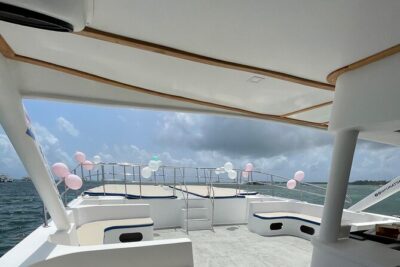 ★ 5.0Private Luxury Charter Punta Cana BavaroFrom $87583 reviews
 ★ 4.2Bavaro Adventure Park Full-Access Ticket & LunchFrom $16981 reviews
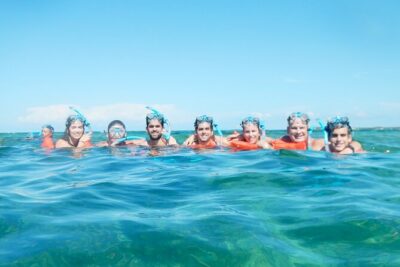 ★ 5.0Party boat, Snorkeling, Sand-bar open bar in Bávaro BeachFrom $5464 reviews
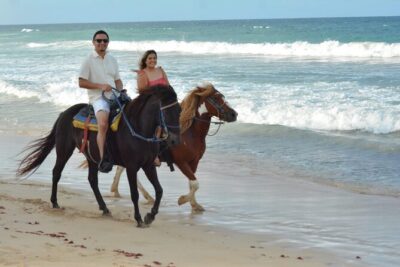 ★ 5.0Want to Learn to Gallop at Bavaro Punta Cana Beach!From $6564 reviews
 ★ 5.0Traslados Aeroepuerto/Hoteles en Punta Cana y BavaroFrom $10056 reviews
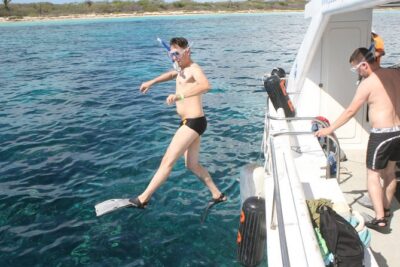 ★ 3.5Full-Day Catalina Island Snorkeling Tour from BavaroFrom $7230 reviews
Browse the lists this tour appears in