
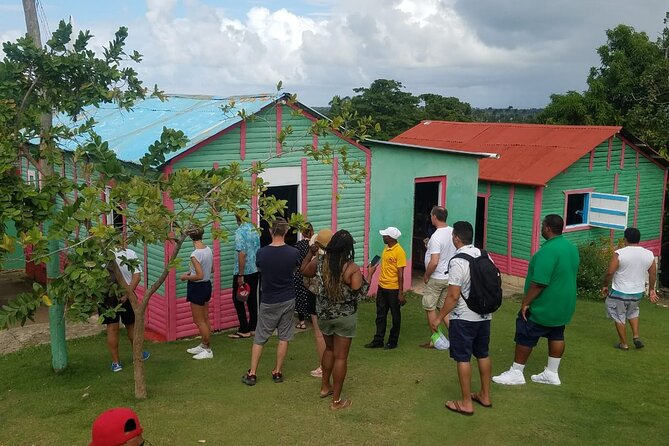
Reviewed · COUNTRYSIDE & CULTURAL SAFARI
8-Hour Tour Enjoying the Dominican Culture Through the Countryside
Horse, river, and real countryside life in a day. This 8-hour Dominican countryside tour strings together rural school visits, a tobacco field where you see handmade cigars, a short horse ride, and a cool Anamuya river swim before you wind down at Macao Beach. I especially like the way it explains everyday Dominican life through working farms and community stops, and I also enjoy the hands-on food side: typical ranch lunch plus tastings of coffee and chocolate. The main drawback is the day is packed, so the market stop can feel a little rushed.
You start early, with pickup and a 7:30 am departure from Punta Cana, then you spend the bulk of the day crisscrossing rural areas and heading through Higüey. The tour runs about 8 hours total, and the group size caps at 80 people, so plan on the pace being efficient.
What makes this one work is the flow: you get culture and agriculture in the middle of the day, then you end with a beach window that feels like your reward. Tours are run by Yery Constanzo, and the mix of working-field stops and well-known religious sights helps you connect the dots between faith, farming, and family life.
In This Review
- Key Things You’ll Notice On This Punta Cana Countryside Culture Tour
- A Full Day That Feels Balanced: Fields By Day, Macao Beach By Finish
- Rural School and Tobacco Plantations: The Real Work Behind the Cigar
- Walking a Batey and Sugar Cane Country: How Land Use Shapes Life
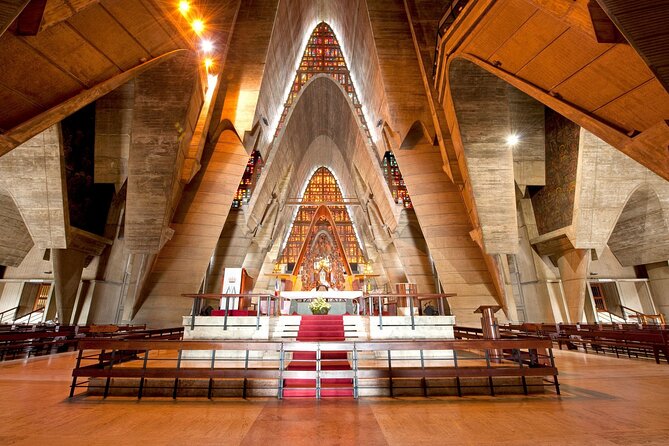
- Higüey City and the Basilica of Our Lady of Altagracia: Faith Meets Local Culture
- Lunch at a Private Ranch: Typical Dominican Food, In the Middle of It
- Anamuya River Swim: The Cool Reset (and What to Plan For)
- Rural House Visit and Tastings: Coffee, Chocolate, and Seasonal Fruit
- Price and Logistics: Is $65 Worth It for This Much Variety?
- Who Should Book This Punta Cana Cultural Countryside Tour
- A Note on Reliability and How to Reduce Risk
- Should You Book This 8-Hour Dominican Countryside Tour?
- FAQ
- How long is the tour?
- What time does it start in Punta Cana?
- Is pickup included?
- What’s included in the price?
- What does the tour include for the beach?
- Is there free cancellation?
Key Things You’ll Notice On This Punta Cana Countryside Culture Tour
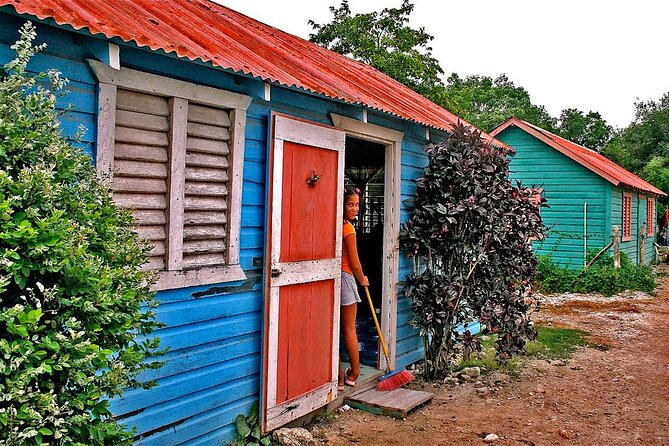
- Rural school visit that shows real community life beyond the resort bubble
- Handmade cigar demo on a tobacco plantation, not just a photo stop
- Batey and sugar cane walk with views that give context for how the land is used
- 15-minute horse ride that adds variety without turning the day into a riding-only show
- Anamuya river swimming in the middle of the fields, a true change of pace
- Macao Beach at the end so you finish your day with rest instead of rushing back straight
More of the Dominican countryside up close
- Half-Day Adventure 4×4 ATV, Water Cave and Dominican Culture★ 4.5 · 3,394 reviews
- Punta Cana Family Wild Buggy Eco Adventure★ 4.5 · 2,372 reviews
- ECO TOUR Playa El Limon (Excursion Multi-activites)★ 5.0 · 1,071 reviews
A Full Day That Feels Balanced: Fields By Day, Macao Beach By Finish
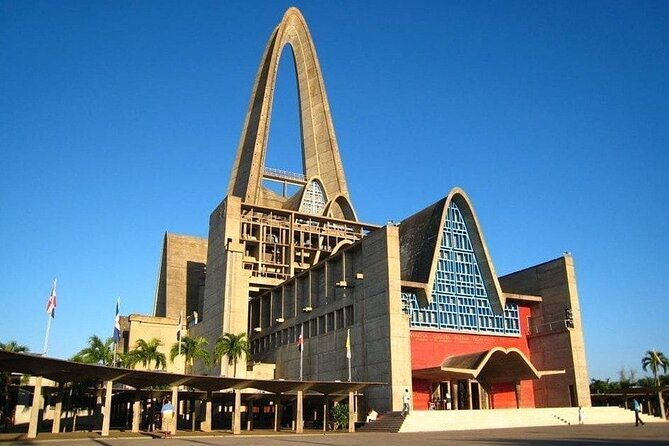
This is the kind of tour that makes a smart promise: you’ll see countryside life in motion, then you’ll still get time to relax. Starting at 7:30 am matters because it gives you enough daylight for farm visits, a town stop in Higüey, swimming time in the river, and still landing at Macao Beach before heading back to your hotel.
The best part is that the itinerary isn’t all “look at this, take a picture.” You’re moving through different types of places—school, plantations, a sugar-cane walk, a basilica, a market area, a rural ranch, and then the river and beach—so the day has multiple rhythms. That keeps it interesting, especially if you’ve already done a couple of standard resort excursions.
The trade-off is that you should treat this as a high-activity 8-hour day. If you want long shopping time or lots of free time in one spot, this won’t feel tailored to that. Your time is scheduled to hit the major beats: culture, farming, lunch, a river swim, and then beach downtime.
Rural School and Tobacco Plantations: The Real Work Behind the Cigar
The day kicks off with a visit to a rural school. It’s one of those stops that can change how you think about the region fast. Instead of only seeing “tourist DR,” you get a grounded moment that makes the rest of the day make sense—people’s education, daily routines, and the community context behind agriculture.
Next comes a tobacco plantation, where you’re shown handmade cigars. This is valuable because it’s not just the finished product. You see the process and the craft tied to the farming side of the Dominican countryside. Even if you don’t smoke, the “how it’s made” angle turns the stop into a cultural lesson.
A tip for this section: go in with curiosity, not a checklist. If you ask simple questions—how tobacco is handled, what each step means—you’ll usually get more out of it than just watching. Also, keep in mind that plantation and farm conditions can be uneven. Wear shoes you don’t mind getting dusty.
Walking a Batey and Sugar Cane Country: How Land Use Shapes Life
After the tobacco stop and the 15-minute horse ride, you shift into a walking segment through a batey and sugar cane plantations. A batey is tied to agricultural life in the Dominican countryside, and walking through it helps you connect how the land and jobs shape daily routines.
You also get panoramic views linked to San Dionisio. That’s not just scenery—it’s the kind of viewpoint that helps you understand why the countryside looks the way it does and where farms sit in relation to towns and roads. Even if you’re not a map person, these vantage points help you mentally organize the geography.
One practical note: for the walking portion, your pace matters. This isn’t described as a long trek, but it is outdoors and rural. If you know you’ll tire quickly, bring a small amount of water when you can, and plan to slow down if your group is moving fast.

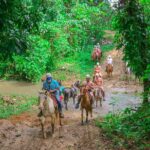
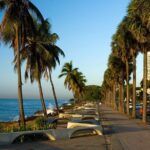


Higüey City and the Basilica of Our Lady of Altagracia: Faith Meets Local Culture
The tour then moves into Higüey with a stop at the Cathedral Basilica of Our Lady of Altagracia. This is the kind of cultural anchor point that adds depth to the day. Farms and markets tell you how people live; religious landmarks show you how people gather, celebrate, and find meaning.
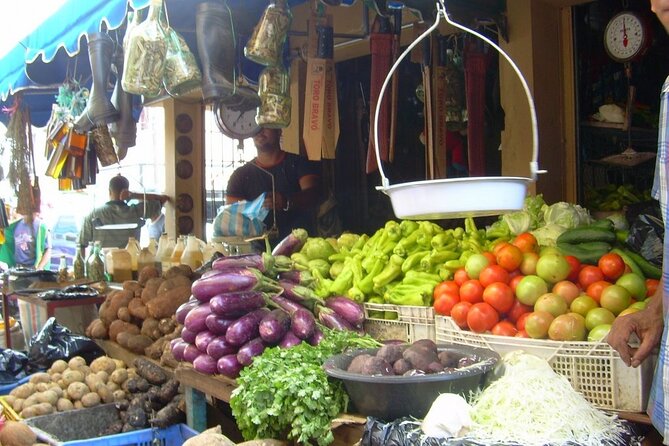
You also get a walk outside the municipal market. Here’s the catch: the tour is designed to cover a lot, so you may not get the long, slow wander through stalls that some people hope for. One common complaint from past experiences is that the market time can feel too quick for casual shopping.
If you want souvenirs, I’d treat the market stop as a quick scan-and-decide moment. If you wait until you’re tired or rushed, you’ll likely spend more than you planned—or miss the best items because time runs out.
Lunch at a Private Ranch: Typical Dominican Food, In the Middle of It
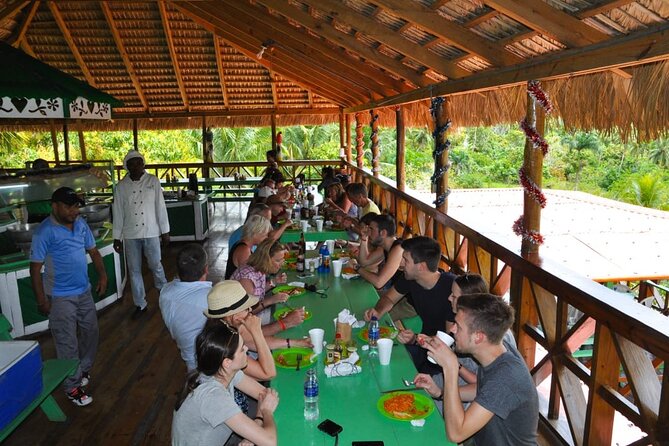
Midday is your lunch at a private ranch with typical Dominican food. This stop is more than a meal. It’s a “pause” where you sit down, refill energy, and take a breath between countryside walking and the river swim.
Why this matters: when your day includes tobacco fields, sugar cane areas, town streets, and religious stops, you need food that’s part of the local rhythm, not just another generic buffet style stop. Having lunch in a ranch setting keeps the day consistent with its theme: you’re still in the countryside, not switching to a random restaurant that could be anywhere.
One more point to consider: if you’re someone who hates surprises with food timing, this is a scheduled day. Plan for lunch to be before the swim, and keep your schedule expectations realistic. After eating, you don’t want to rush; you want enough time to cool down before getting into the river.
Anamuya River Swim: The Cool Reset (and What to Plan For)
Then comes the highlight for many people: swimming in the Anamuya river (sometimes described as Salto de Anamuya). This is a real break from sightseeing. You’re in the middle of the fields, and the water part of the day is what turns the tour from “educational” into “memorable.”
The vibe here is simple: you bathe, you rest, and you enjoy the temperature shift. It’s also the section of the day where your comfort matters. Wear clothes you don’t mind getting wet, and think about what you can store securely during swimming. If you have a small waterproof pouch, bring it. If not, at least plan how you’ll keep essentials from soaking.
If you’re not a confident swimmer, you can still treat it as a dip-and-wade moment. The key is being honest with yourself about comfort levels. Rural river conditions can vary, and the tour format is built around getting everyone through the day, not around long individual swim time.
Rural House Visit and Tastings: Coffee, Chocolate, and Seasonal Fruit
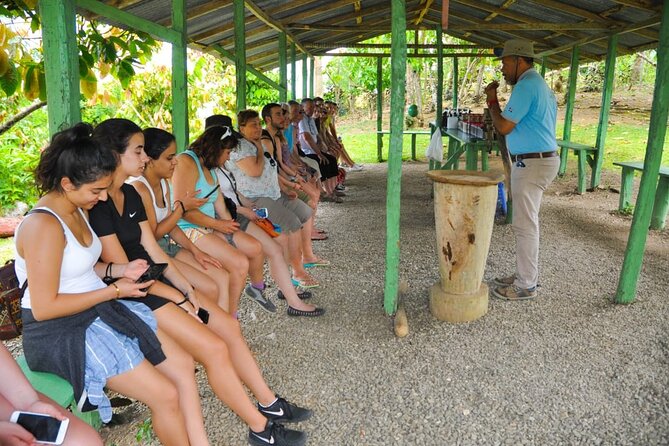
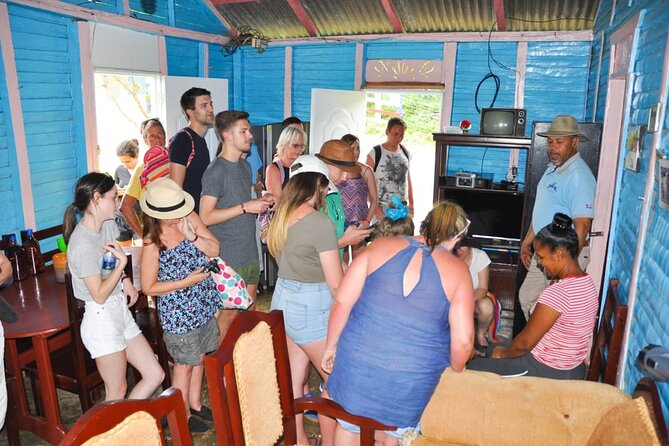
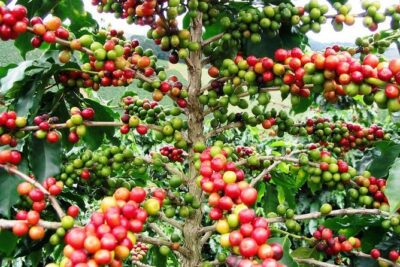
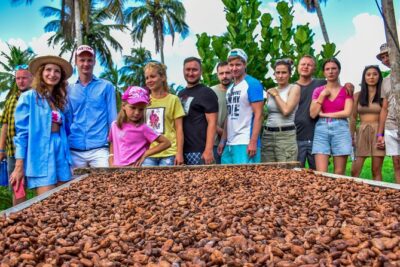
After lunch and before you finish at the beach, you visit a typical rural house. The focus here is how food and ingredients grow. You’ll see fruit trees connected to coffee and cocoa, plus you’ll taste coffee, chocolate, and seasonal fruits.
This part is valuable because it makes the earlier agriculture stops feel connected. You watch tobacco and learn about cigars; you see sugar cane and the batey setting; then you’re shown the plants that lead to coffee and cocoa. By the time you’re tasting, you’re not just sampling—you’re understanding the “from plant to product” link.
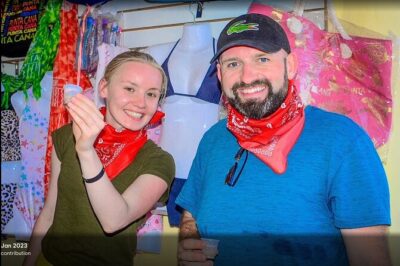
Practical tip: taste in small bites. It’s easy to overdo it when you’re excited and everything is new. If you know you like coffee or chocolate, slow down and pay attention to the flavor differences. Seasonal fruit can also be a nice refresher after a day of sun and walking.
Price and Logistics: Is $65 Worth It for This Much Variety?
At $65 per person for an approximately 8-hour tour, this isn’t a bargain to ignore, but it also doesn’t feel overpriced for what you’re getting. The value comes from the mix of included items that would normally cost you separately: lunch, horse ride, river swimming, and multiple guided stops around farming and culture.
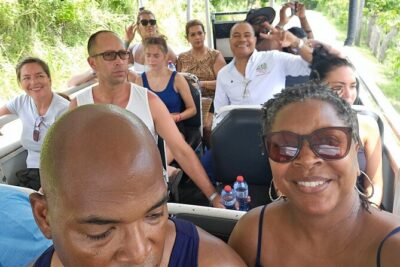
You also get safari transportation, plus pickup, and a mobile ticket. That matters in Punta Cana because you’re not trying to coordinate multiple separate tickets on your own. The tour is built to handle the “getting there” problem so you can focus on the day.
Group size at up to 80 can be a consideration. Large groups can mean more waiting and less personal attention at each stop. Still, the itinerary includes several action-based moments—like the cigar demonstration, tastings, and the river swim—that help keep it from feeling purely bus-window travel.
If you’re deciding whether it’s worth it, I’d measure the tour against your own goals:
- If you want countryside culture with active stops, $65 can be a fair price.
- If you want long free time, deep shopping, or slow pacing, this likely won’t match what you’re hoping for.
Who Should Book This Punta Cana Cultural Countryside Tour
This tour is a strong fit if you like your vacations to have real-life context. I think it works best for people who:
- Want a day away from resort-only routines but don’t want to plan a complex itinerary
- Enjoy seeing everyday culture—schools, markets, farming—rather than only major landmarks
- Like a balanced day where you get a cool-down at the end, with Macao Beach time
It also makes sense for families who want an education-style outing that isn’t stuck in a classroom setting. One of the clearest strengths of this experience is how it shows local communities as normal human life, not a stage set.
If your main priority is beach time, this isn’t a beach-only excursion. The beach is the finish line, not the starting point.
A Note on Reliability and How to Reduce Risk
Here’s the honest part. I’ve seen reports of unreliable timing: at least one cancellation was issued citing heavy rain (with a claim that conditions were not as described), and there’s also a separate instance where a no-call no-show was reported. That doesn’t mean it’s guaranteed to happen to you, but it does mean you should handle this like a sensible, practical traveler.
My best advice: keep an eye on your day-of updates, and if possible, confirm details close to the start time. You also have free cancellation available up to 24 hours in advance, which gives you room to adjust if weather or plans change.
Should You Book This 8-Hour Dominican Countryside Tour?
Book it if you want a single-day experience that connects the dots between farming, community life, religion, food, and the countryside water experience—then ends with beach downtime. The combination of a school visit, a tobacco and cigar stop, a batey/sugar cane walk, lunch at a ranch, a river swim, tastings of coffee and chocolate, and a finish at Macao Beach is exactly the kind of variety that makes Punta Cana feel more than a resort zip code.
Skip it (or go in with adjusted expectations) if your top priority is shopping time, long free periods, or a slow pace. The market stop is likely brief, and the day is intentionally packed to cover everything in 8 hours.
If you’re the kind of person who enjoys short, meaningful stops and hands-on moments, this tour can be a memorable way to see Dominican culture in the countryside—without losing the pleasure of a beach finish.
FAQ
How long is the tour?
The tour is about 8 hours long.
What time does it start in Punta Cana?
It starts at 7:30 am.
Is pickup included?
Yes. Pickup is offered.
What’s included in the price?
Included are safari transportation, typical Dominican lunch, swimming in the Salto de Anamuya River, tastings of Dominican products (coffee, chocolate, and seasonal fruits), a horse ride, a walk outside the municipal market, a visit to Higüey, and the Cathedral Basilica of Our Lady of La Altagracia.
What does the tour include for the beach?
The last stop includes time to bathe and rest on Macao Beach before returning to your hotel.
Is there free cancellation?
Yes. Free cancellation is available up to 24 hours in advance for a full refund.
More Tours in Punta Cana
- Full-Day Santo Domingo City Tour from Punta Cana
★ 4.5 · 4,500 reviews - Half-Day Buggy Tour to Water Cave and Macao Beach
★ 4.5 · 2,587 reviews - Small-Group Cruising and Snorkeling Catamaran Tour
★ 5.0 · 2,401 reviews - Punta Cana Buggy & ATV Tour: Cave, Macao Beach, Free Pick-Up
★ 4.1 · 2,134 reviews - Half Day Dominican Republic Cultural Tour : Small Group
★ 4.5 · 1,862 reviews - 5 tours in 1 (Eco Farm/Horseback/City Tour/Buggy/Zipline)
★ 4.5 · 1,443 reviews
More Tour Reviews in Punta Cana
- Private Airport Punta Cana to La Romana Bayahibe or Casa de Campo Resort Area
★ 5.0 · 6,662 reviews - Punta Cana Zipline Adventure with Buggies and Horseback Riding
★ 5.0 · 5,001 reviews - Full-Day Santo Domingo City Tour from Punta Cana
★ 4.5 · 4,500 reviews - Punta Cana: Catamaran Boat to Saona Island with Buffet Lunch
★ 4.4 · 3,822 reviews - Punta Cana Dune Buggy Adventure and Amazing Water Cave
★ 4.5 · 3,411 reviews - Half-Day Adventure 4×4 ATV, Water Cave and Dominican Culture
★ 4.5 · 3,394 reviews
More of the Dominican Countryside
- Half-Day Adventure 4×4 ATV, Water Cave and Dominican Culture
★ 4.5 · 3,394 reviews - Punta Cana Family Wild Buggy Eco Adventure
★ 4.5 · 2,372 reviews - Half Day Dominican Republic Cultural Tour : Small Group
★ 4.5 · 1,862 reviews - ECO TOUR Playa El Limon (Excursion Multi-activites)
★ 5.0 · 1,071 reviews - 4×4 ATV Adventure in Punta Cana: Cave & Dominican Culture
★ 4.5 · 310 reviews - Dominican Republic Countryside Safari Tour from Punta Cana
★ 5.0 · 292 reviews
Fresh off the boat: the newest Punta Cana reviews




Countryside & Cultural Safari, compared.
 ★ 4.5Half-Day Adventure 4×4 ATV, Water Cave and Dominican CultureFrom $643,394 reviews
 ★ 4.5Punta Cana Family Wild Buggy Eco AdventureFrom $482,372 reviews
 ★ 4.5Half Day Dominican Republic Cultural Tour : Small GroupFrom $601,862 reviews
 ★ 5.0ECO TOUR Playa El Limon (Excursion Multi-activites)From $1491,071 reviews
 ★ 4.54×4 ATV Adventure in Punta Cana: Cave & Dominican CultureFrom $43310 reviews
 ★ 5.0Dominican Republic Countryside Safari Tour from Punta CanaFrom $90292 reviews
 ★ 4.5Punta Cana Half-Day Cultural Safari with Lunch and DrinksFrom $74215 reviews
 ★ 3.5Countryside and Macao Beach Half-Day Buggy TourFrom $35140 reviews
Browse the lists this tour appears in